The love of the Prophet: the key to spiritual progress
Contents
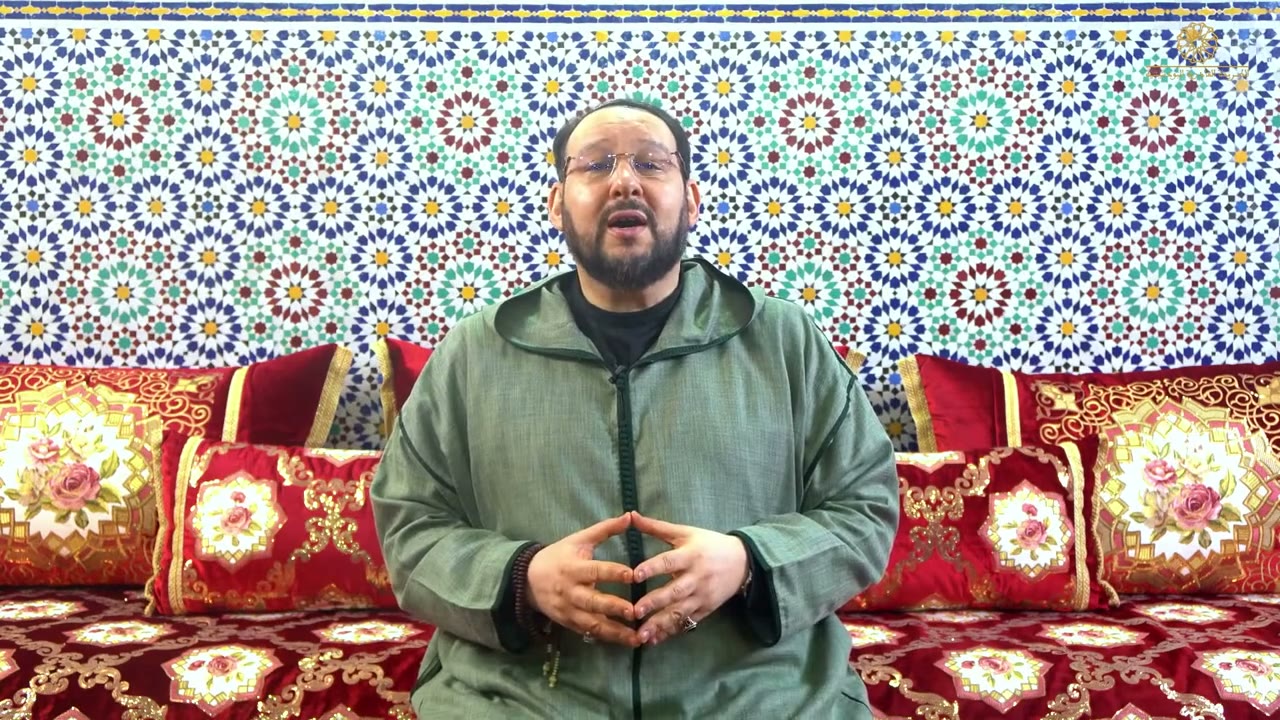
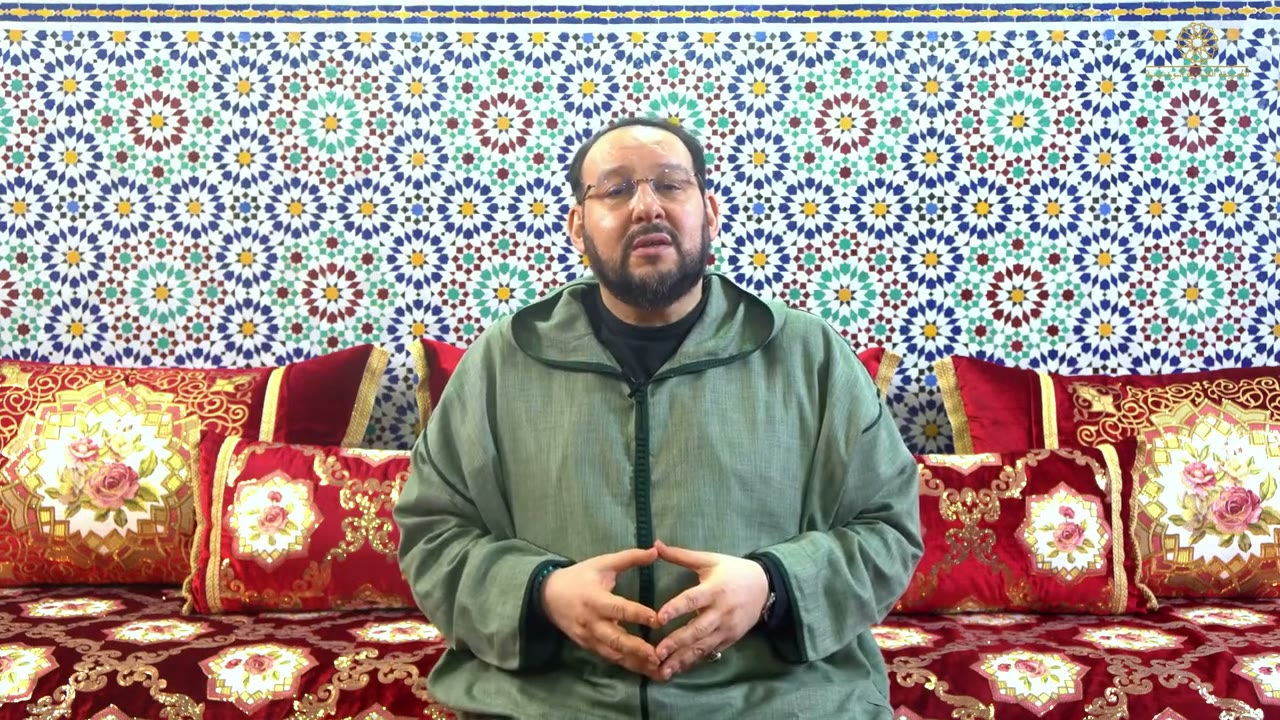
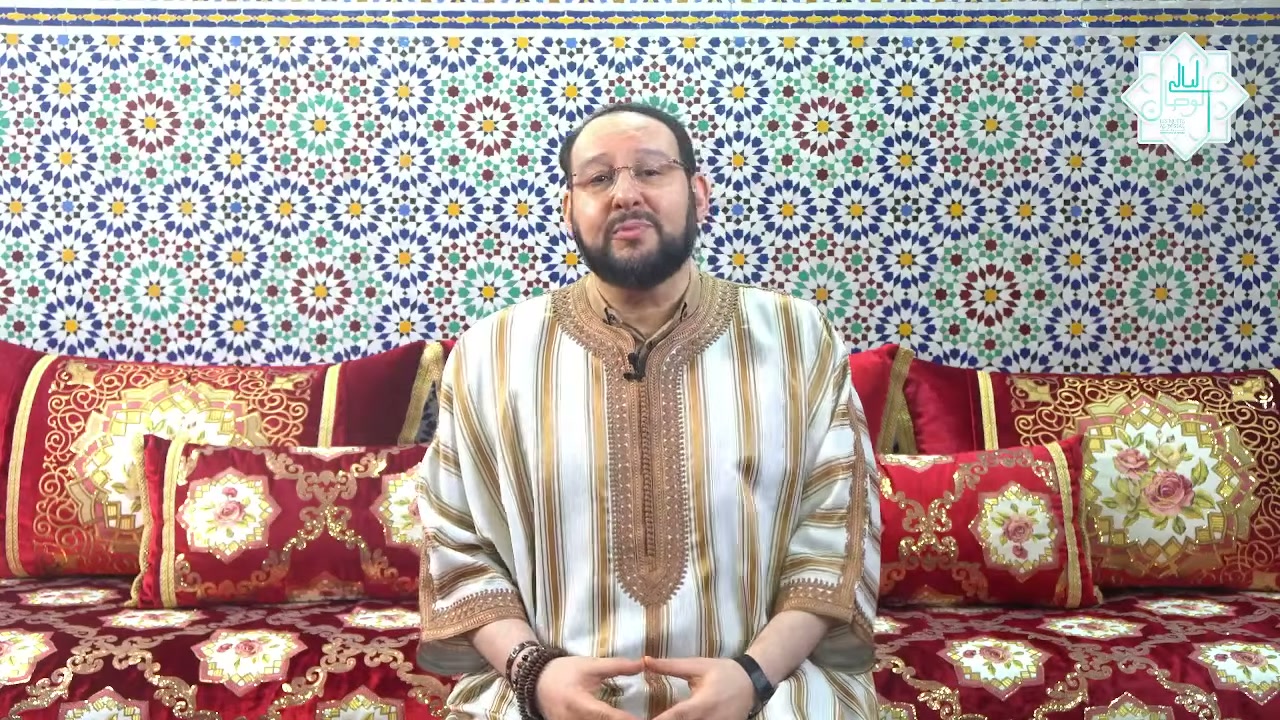
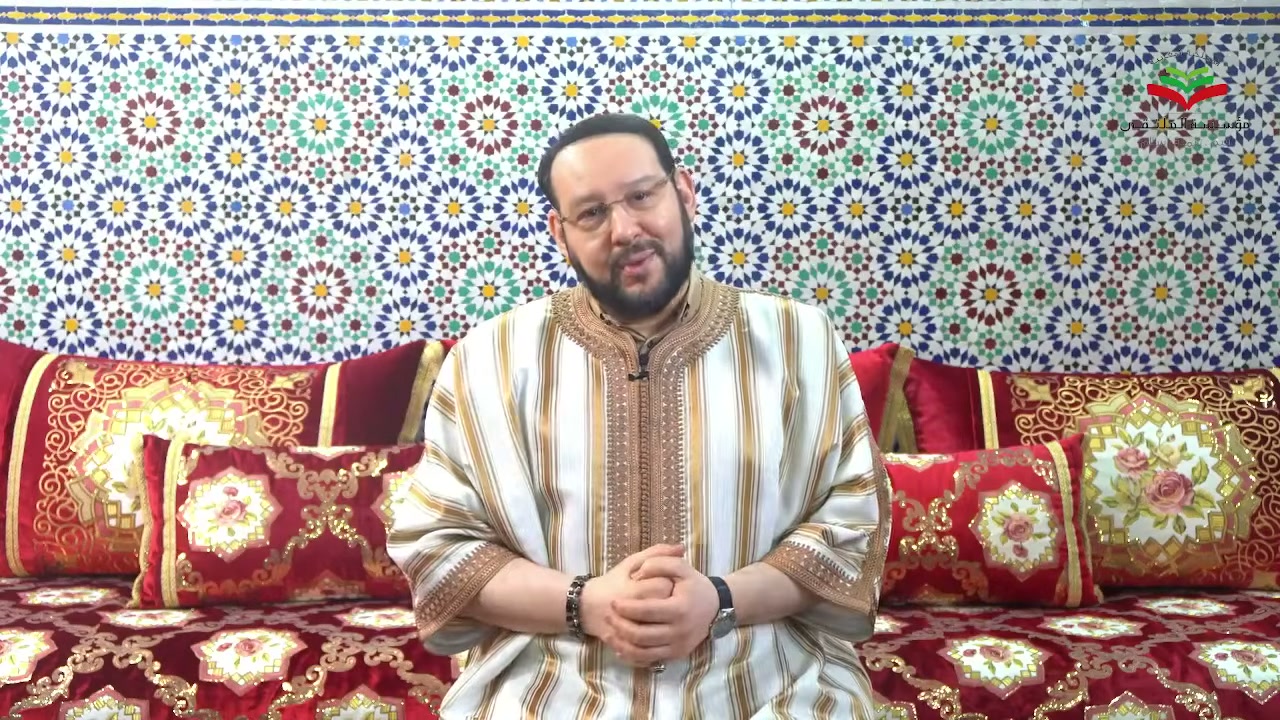
A teaching of Sidi Mounir al-Qadiri Boutchich, shaykh of the path, taken from episode 325 of the series Layali al-Wissal (‘The Nights of Union’), broadcast on 20 September 2026 on the channel of the Al Moultaqa Foundation. Accompanying text written by the editorial team.
Extract of 6 min 50 s (01:10:54 to 01:17:44). Original full video: Layali al-Wissal, episode 325, Al Moultaqa Foundation channel.
On what does spiritual progress turn? Sidi Mounir al-Qadiri Boutchich, shaykh of the path, answers directly: on the mahabba, love of the Prophet, may God’s peace and blessings be upon him, and on the place he holds as the key to every advance towards God. The teaching is well timed: we have just left Rabi’ al-Awwal, the month in which the Muhammadan light appeared on this earth, and entered Rabi’ al-Thani.
‘If you love Allah, follow me’: love set as the condition
The Qur’an states the link in surah Al ’Imran, The Family of ’Imran (3:31): ‘Say: If you truly love Allah, then follow me; Allah will love you and forgive you your sins. Allah is most forgiving, most merciful.’
Loving God begins, then, with following His messenger. And who is that messenger? Surah al-Anbiya’, The Prophets (21:107), describes him in a single phrase: ‘And We have sent you only as a mercy to the worlds.’ The teaching then unfolds his titles: the beloved of Allah, the best of creatures, the perfect man, a mercy offered to the worlds.
A walking Qur’an: the model given to the believers
When ’A’isha, may God be pleased with her, was asked what the Prophet was like, her answer ran to four words, preserved by Muslim: ‘His character was the Qur’an.’ The sacred Text made conduct. And the Prophet himself sums up his mission in a hadith from the Musnad of Ahmad: ‘I was sent only to perfect noble character.’
Surah al-Ahzab, The Confederates (33:21), settles what that means for us: ‘You have an excellent model in the Messenger of Allah, for whoever hopes in Allah and the Last Day and remembers Allah often.’ On the path, all spiritual education draws on this Muhammadan light, al-nur al-muhammadi, to which every disciple aspires. Ibn Mashish, in his celebrated prayer known as al-Mashishiyya, calls the Prophet ‘the supreme veil standing before God’. To walk the path is to walk behind him. And it was this love, more than effort alone, that carried the Companions forward.
’Now, O ‘Umar’: the measure of true love
This love comes in degrees. It cannot be summoned by decree; it has to be verified. One day ’Umar ibn al-Khattab said to the Messenger of Allah: ‘You are dearer to me than everything in this life, except my own self.’ The Prophet replied: by Him in Whose hand is the soul of Muhammad, a man’s faith is not complete until he is dearer to him than his own self. ’Umar replied: ‘By God, you are now dearer to me than everything, and than myself.’ ’Now, O ‘Umar’, the Prophet concluded. The hadith is recorded in the Sahih of al-Bukhari (no. 6632).
That is the measure of true love: an attachment that goes beyond attachment to oneself. Ibn ‘Ata’ Allah al-Iskandari, author of the Hikam, teaches that this love is lived by letting go of the self. It is not proclaimed.
The signs that do not deceive
How does one know whether the love is there? Sahl ibn ’Abdullah al-Tustari, cited by al-Qadi ‘Iyad in al-Shifa’, sets out the chain: the sign of loving God is loving the Qur’an; the sign of loving the Qur’an is loving the Prophet; the sign of loving the Prophet is loving his Sunna. Each link is confirmed in the next.
Nor does this love stop at him. The Prophet, peace be upon him, teaches it in a hadith reported by al-Tirmidhi (no. 3789): love God for the favours and blessings He pours upon you; love me so as to reach the love of God; and love the people of my house so as to reach my love. To love God and His Prophet is to love, through him, those who carry this light and bind us to it.
A man among men, the closest to God
His whole life bears witness to this sublime nature: gentleness in all circumstances, closeness to people, generosity, forgiveness, humility. He said of himself that he was only a man among men, with a family, children, responsibilities. Yet no one stood closer to people, and no one closer to God.
That is the secret of spiritual education: to bring his noble character forth in us, to clothe ourselves in the Muhammadan virtues. As the tradition says: takhallaqu bi akhlaq Allah, clothe yourselves in the attributes of God, the attributes of the Most Merciful.
When love becomes conduct
The practice itself is simple to state: renewing the prayers upon the Prophet, peace be upon him, with presence and love. Not only because the blessed month of Rabi’ al-Awwal has just ended, but all year round. With a firm intention: that this love transform our conduct rather than remain a passing feeling.
The discourse closes, as is customary at the gatherings of the path, with an invocation: may God clothe us in the noble Muhammadan virtues, gather us near His beloved Prophet, protect Morocco, support and guide His Majesty and the whole royal family, and make us citizens at the service of their country and of humanity, in respect for living together, love and peace.
Such is the road of suluk: from the Qur’anic condition of following to the daily prayer upon the Prophet, the wayfaring handed down by the Tariqa Qadiriya Boutchichiya. To go further: the pages on the prayer upon the Prophet, on love in Sufism, or a dhikr session in Paris as in the other cities of France.
Frequently asked questions
What is the mahabba in Sufism?
The mahabba is love, and in the vocabulary of the path it means love of the Prophet Muhammad, may God’s peace and blessings be upon him. Sidi Mounir al-Qadiri Boutchich presents it as the key to all spiritual progress: we do not advance through effort alone, but through attachment to the One whom God sent as a mercy to the worlds.
Which Qur’anic verse ties the love of God to following the Prophet?
Verse 31 of surah Al ’Imran, The Family of ’Imran (surah 3): ‘Say: If you truly love Allah, then follow me; Allah will love you and forgive you your sins. Allah is most forgiving, most merciful.’
What is the measure of true love for the Prophet?
A hadith reported by al-Bukhari (no. 6632) fixes it in a dialogue with ’Umar ibn al-Khattab: a believer is not fully a believer until the Prophet is dearer to him than anything else, his own self included. An attachment that goes beyond attachment to oneself.
How can love for the Prophet be nurtured day by day?
By renewing the prayers upon him (salawat) with presence and love, not only in the month of Rabi’ al-Awwal but all year round, with the firm intention that this love transform our conduct rather than remain a passing feeling.
Frequently asked questions
What is the mahabba in Sufism?
The mahabba is love, and in the vocabulary of the path it means love of the Prophet Muhammad, may God's peace and blessings be upon him. Sidi Mounir al-Qadiri Boutchich presents it as the key to all spiritual progress: we do not advance through effort alone, but through attachment to the One whom God sent as a mercy to the worlds.
Which Qur'anic verse ties the love of God to following the Prophet?
Verse 31 of surah Al 'Imran, The Family of 'Imran (surah 3): 'Say: If you truly love Allah, then follow me; Allah will love you and forgive you your sins. Allah is most forgiving, most merciful.'
What is the measure of true love for the Prophet?
A hadith reported by al-Bukhari (no. 6632) fixes it in a dialogue with 'Umar ibn al-Khattab: a believer is not fully a believer until the Prophet is dearer to him than anything else, his own self included. An attachment that goes beyond attachment to oneself.
How can love for the Prophet be nurtured day by day?
By renewing the prayers upon him (salawat) with presence and love, not only in the month of Rabi' al-Awwal but all year round, with the firm intention that this love transform our conduct rather than remain a passing feeling.