The good word, a spiritual responsibility
Contents
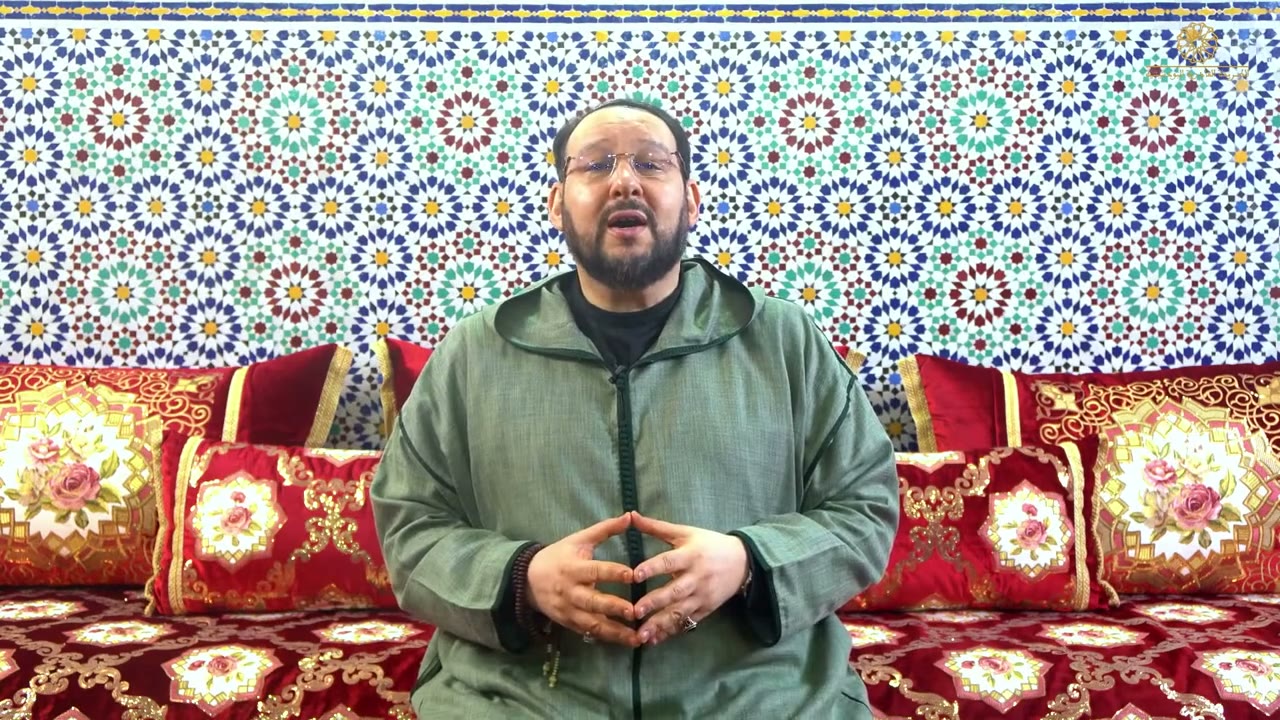
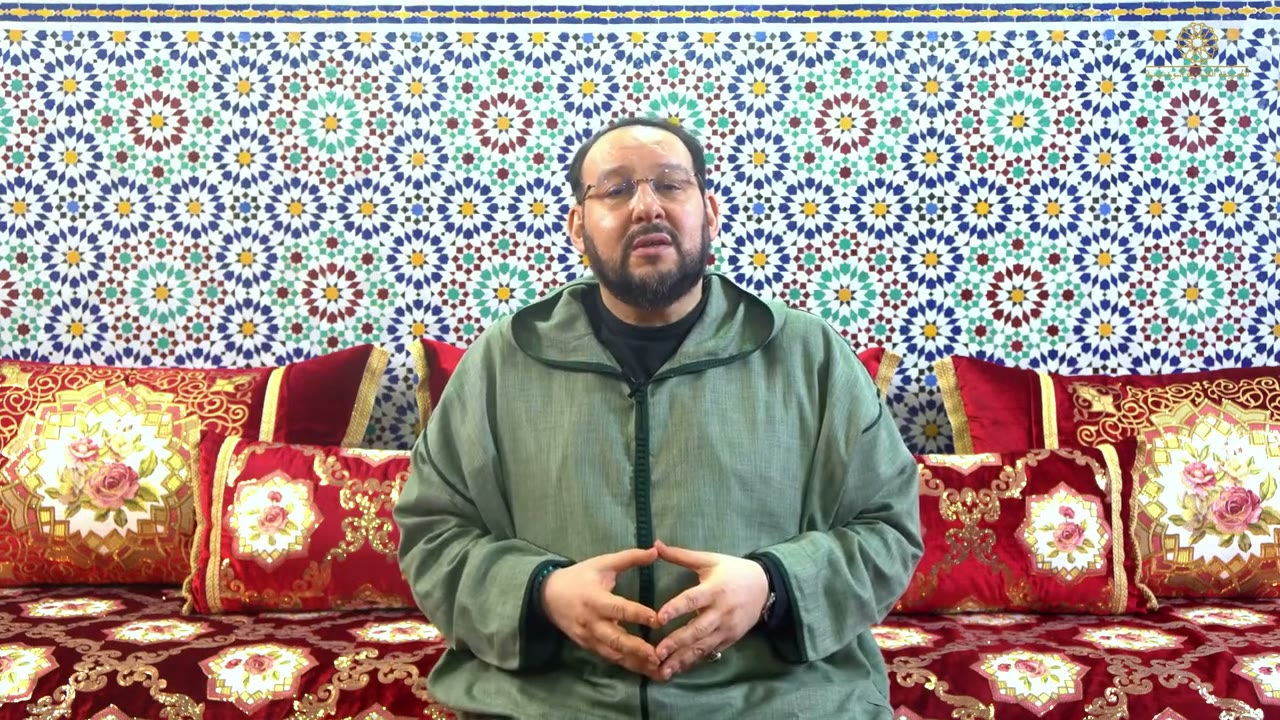
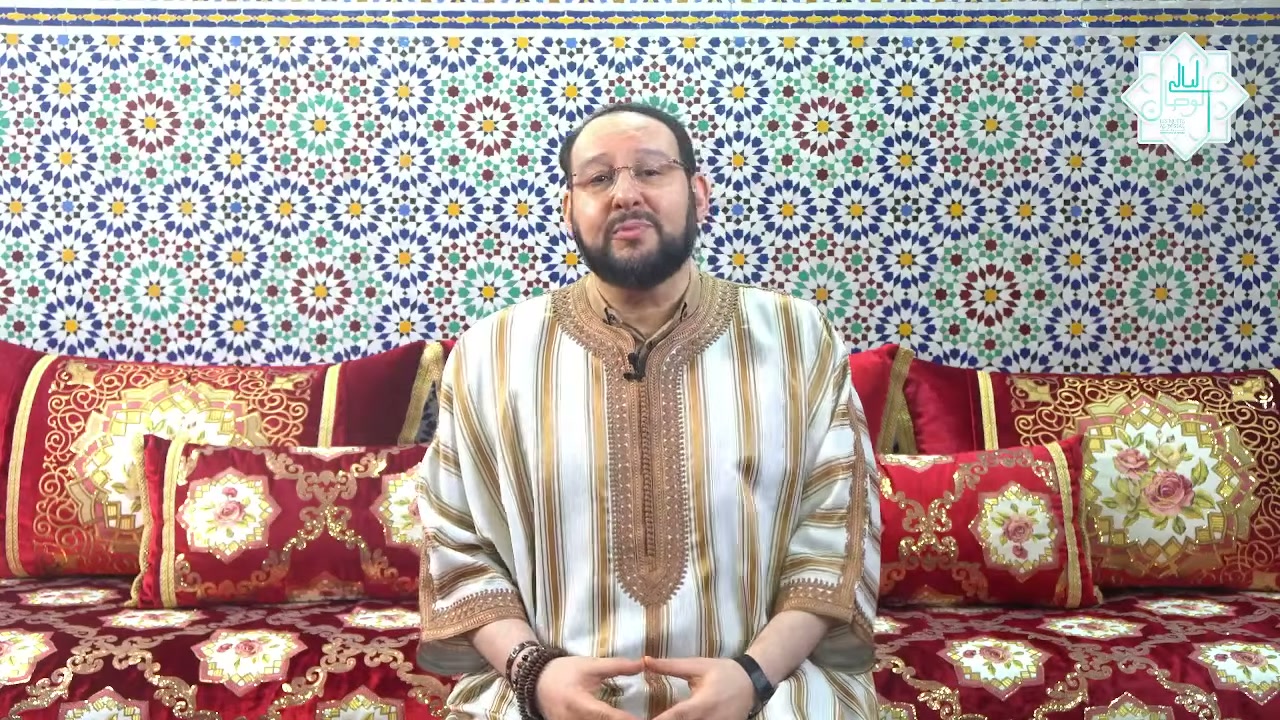
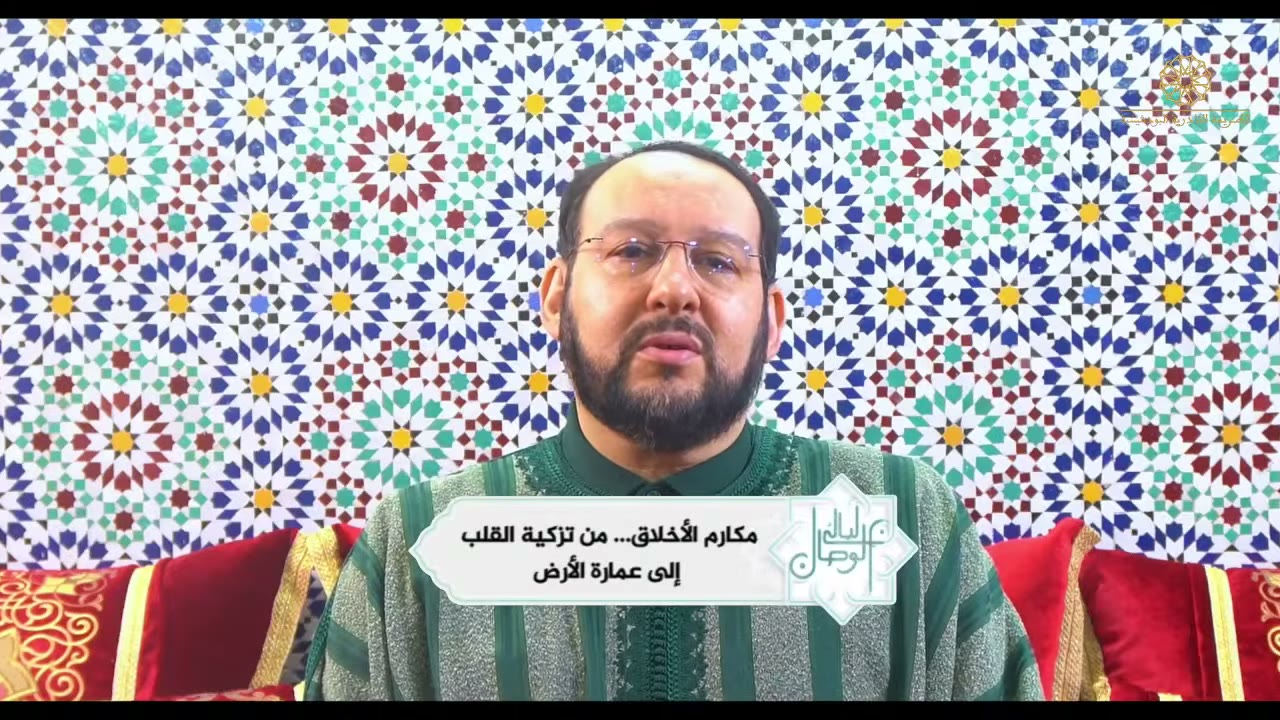
A teaching by Sidi Mounir al-Qadiri Boutchich, shaykh of the path, taken from episode 324 of the series Layali al-Wissal (‘The Nights of Union’), broadcast on 13 September 2026 on the channel of the Al Moultaqa Foundation. Delivered in French; accompanying text written by the editorial team.
Extract of 5 min 39 s (01:19:17 to 01:24:56). Original full video: Layali al-Wissal, episode 324, Al Moultaqa Foundation channel.
Literal translation of the intervention (from French)
Since the intervention is delivered in French, here is its literal translation into English, from beginning to end. The article below presents its meaning and structure; this text follows the speech from the presenter’s introduction to the closing prayer.
“[The presenter] …borne by Moulay Mounir al-Qadiri Boutchich, master of the Tariqa Qadiriya Boutchichiya. And we are now nearing the close of this spiritual vigil, this 324th night of Layali al-Wissal, and we now have the honour, the pleasure, of hearing precious counsels in French from our dearest master, Sidi Moulay Mounir; his intervention is entitled ‘The good word, a spiritual responsibility’.”
“[Sidi Mounir] The good word, a spiritual responsibility. Dear sisters, brothers and friends, among the greatest legacies we have received from our beloved Prophet is the idea that the word is a responsibility; that the good word, ‘al-kalima tayyiba’ in Arabic, reflects a moral and spiritual elevation. God says in the Holy Qur’an: ‘Hast thou not seen how God sets forth a parable: a good word is like a good tree whose root is firm and whose branches reach into the sky?’ Al-kalima tayyiba. God draws the parallel between the good word and the good deed: ‘Unto Him ascend the good words, and the righteous deed He exalts’: ilayhi tas’adu al-kalimu l-tayyib wa-l-’amalu l-salihu yarfa’uh. Ibn Abbas, one of the Companions and cousins of the Prophet, peace be upon him, said that this good word was the word of unicity, La ilaha illa Allah. And God says also: ‘And tell My servants to speak the best of words, for Satan sows discord among them; Satan is indeed a declared enemy of man’: wa qul li-’ibadi yaqulu llati hiya ahsan, inna l-shaytana yanzaghu baynahum, inna l-shaytana kana li-l-insani ’aduwwan mubina.
The good word in reality embraces every word of truth, of peace, of benevolence and of love. Every gentle, useful word that eases human relations, that leads to understanding, to comprehension and to mutual appeasement. The beloved Prophet, peace be upon him, left many teachings on the word, showing that a kind word is a spiritual charity, while calling the believers to master their tongues. That is the meaning of that famous hadith: ‘Whoever believes in God and the Last Day, let him speak good or keep silent.’ That is why the masters of Sufism have always insisted on the intimate link between the remembrance of the formula of unicity and excellence of conduct.
The tongue and the heart of the disciple journeying towards God are purified by the repetition of the divine name, chasing away selfish and harmful thoughts and leaving room for gentleness and wisdom. And as the great Sufi master Ibn ’Ata’illah al-Iskandari said: ‘Every word uttered wears the garment of the heart from which it emanates.’ A heart thus purified measures its words: each moment, each circumstance imposes its conditions and its proprieties. Not everything that crosses the heart is meant to be spoken. What may be right in one context may not be in another. And even in disagreement, mastery of the tongue remains a proof of piety, for from this piety is born a discourse that gathers, that repairs and that elevates.
We pray God to purify our hearts of resentment, of envy and of hatred, to preserve our tongues from error and to grant us wisdom in our words. May He spread His mercy over the Kingdom of Morocco and its people. May He grant long life, health and guidance to His Majesty King Mohammed VI, Commander of the Faithful. May God spread His peace, His mercy and His light upon each of you, so that peace may prevail in this world. May we live together in love and in peace. Salam ’alaykum wa rahmatullahi wa barakatuh. Thank you.”
Among the greatest legacies the Prophet, may God’s peace and blessings be upon him, left us is this one: the word is a responsibility. Moral and spiritual at once. It is the very title of this intervention by Sidi Mounir al-Qadiri Boutchich, shaykh of the Tariqa Qadiriya Boutchichiya, at the vigil Layali al-Wissal no. 324: the good word, a spiritual responsibility.
A word like a goodly tree
The Qur’an gives the good word an image, the teaching reminds us: ‘Hast thou not seen how God sets forth a parable: a good word is like a good tree whose root is firm and whose branches reach into the sky?’ (surah Ibrahim, 14:24). A rooted word, bearing its fruit on high: the next verse adds that this tree ‘gives its fruit at all times, by the grace of its Lord’ (14:25).
And the good word does not remain here below: ‘Unto Him ascend the good words, and He exalts the righteous deed’ (surah Fatir, 35:10). To speak truly, to speak well, is already an ascent. For Ibn ’Abbas, cousin of the Prophet and father of exegesis, this ‘good word’ is first of all the word of unicity, La ilaha illa Allah: the watchword that Sidi Mounir himself had commented in Arabic earlier in the same vigil.
Saying what is best
Faced with discord, the Qur’an gives the command: ‘And tell My servants to speak the best of words, for Satan sows discord among them; indeed, Satan is for man a declared enemy’ (surah al-Isra’, 17:53). The best word is not an option of good breeding: it is the dyke raised against strife.
The Prophet, peace be upon him, multiplied reminders about speech, calling believers to master their tongues. He even makes the word a gift: ‘the good word is an alms’, report the Sahih of al-Bukhari (no. 2989) and the Sahih of Muslim (no. 1009). His school is summed up in one sentence, reported by Abu Hurayra in the Sahih of al-Bukhari (no. 6018) and the Sahih of Muslim (no. 47): ‘Whoever believes in God and the Last Day, let him speak good or keep silent.’ A true word, a gentle word, a useful word: one that leads to understanding and mutual appeasement.
The dhikr that purifies the tongue
That is why the masters of Sufism have always insisted on the intimate link between the remembrance of the formula of unicity and excellence of conduct. The tongue of the disciple journeying towards God is purified by the repetition of the divine name: dhikr drives out selfish thoughts and leaves room for gentleness and wisdom. As the master Ibn ’Ata’illah al-Iskandari puts it, quoted in the intervention: ‘every word uttered wears the garment of the heart from which it emanates’.
One then understands the coherence of the path. The same name turning in the heart shapes what comes out of the mouth; the ethics of speech is not a social artifice but the exteriorisation of an inner state. Such is the whole pedagogy of the Tariqa Qadiriya Boutchichiya: remembrance transforms man, and the transformed man transforms his speech.
To each circumstance its word
One point remains essential: each circumstance imposes its own propriety. What may be right in one context may not be in another. The good word is therefore not meant to be a uniform discourse recited everywhere in the same manner: it calls for discernment, a sense of the moment and of one’s interlocutor. And even in disagreement, mastery of the tongue remains a proof of piety: from this piety is born a discourse that gathers, that repairs and that elevates.
The intervention closes with a prayer: that God purify our hearts of envy and hatred, that He preserve wisdom in our words, that He spread His mercy over the Kingdom of Morocco and its people and that He assist the Commander of the Faithful. A teaching to be heard to the end, in the same vigil where Sidi Salman Ayyoubi had spoken of the perseverance of the heart. To go further into the notion of dhikr and its role in the journey, see the questions and answers on Sufism and the page on dhikr sessions in Paris.
Teaching by Sidi Mounir al-Qadiri Boutchich in Layali al-Wissal no. 324 (Al Moultaqa Foundation), in French, covering 01:19:17 to 01:24:56. Article written from the source audio file then whisper transcription; quotations reported faithfully in sense, references verified in the working file.
Frequently asked questions
What does the Qur'an say of the good word?
Verse 24 of surah Ibrahim (14) compares it to a goodly tree: 'a good word is like a good tree whose root is firm and whose branches reach into the sky'. Verse 53 of surah al-Isra' (17) commands: 'Tell My servants to speak the best of words, for Satan sows discord between them.'
Which hadith sums up the ethics of speech?
Reported by Abu Hurayra in the Sahih of al-Bukhari (no. 6018) and the Sahih of Muslim (no. 47): 'Whoever believes in God and the Last Day, let him speak good or keep silent.'
What is the link between dhikr and speech?
In Sidi Mounir's teaching, the masters of Sufism have always insisted on the intimate link between the remembrance of the formula of unicity and excellence of conduct: the tongue of the wayfarer is purified by the repetition of the divine name, which drives out selfish thoughts and leaves room for gentleness and wisdom.
Is the right word the same in every circumstance?
No. Each circumstance imposes its own propriety: what may be right in one context may not be in another. Even in disagreement, mastery of the tongue remains a proof of piety.