
Practising Sufism
Sufi practice reaches beyond a set of rites. It shapes how a person remembers God, speaks and lives with others. Dhikr, the remembrance of God, sits at its centre; prayer upon the Prophet, care for one’s conduct and companionship with a guide also matter. These disciplines belong to Islamic life. They are not a general wellbeing programme, and each tariqa has its own way of forming its practice.
This section looks at the meaning of spiritual practice, the qualities of sincerity and humility, and the relationship between guide and disciple. Begin with spiritual practices or Remembering: the dhikr. The article on sama’ explains spiritual audition and why it matters in some Sufi paths.
The aim here is to set practices in context, not to offer a ready-made routine. The articles clarify the ideas and dispositions that inform the path while recognising that Sufi traditions differ. If you would like to meet a community, the calendar of gatherings and events lists practical details by town and date. Reading can be a first step; it need not be the last.
Reading paths
Remembering: the dhikr
The remembrance of God, heart of the path, its meaning and its benefits.
Read the article →Master and disciple
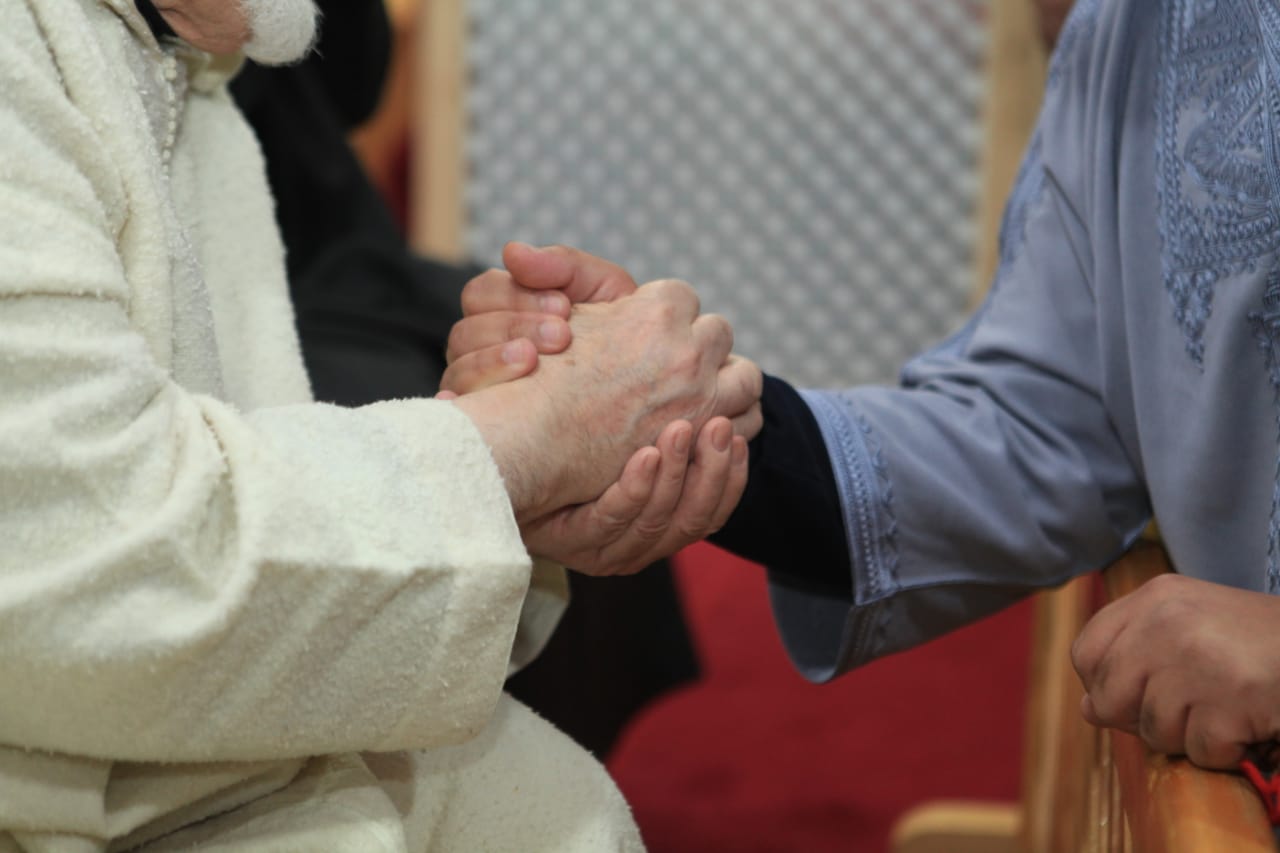
What the authorised guide gives, what the disciple receives.
Discover →The keys of the path
Sincerity, humility, fraternity: the attitudes that carry you forward.
Read the keys →Browse by theme
Spiritual practices
11 textsSee all →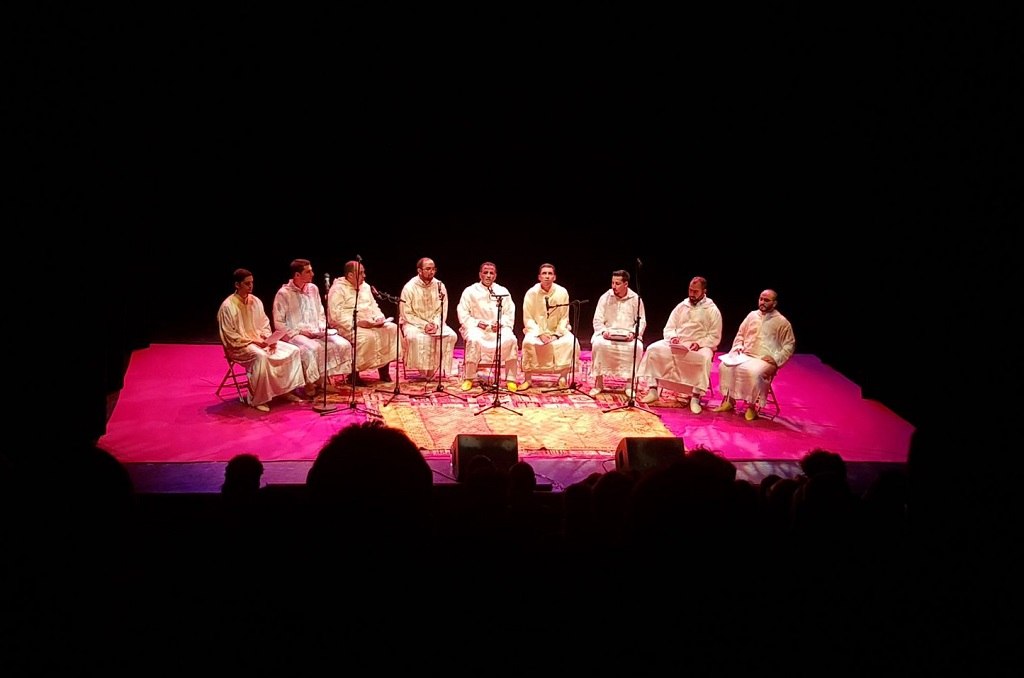




Walking the path
5 textsSee all →



Spiritual guides
6 textsSee all →

Master and disciple
2 textsSee all →
Islam and Sufism
5 textsSee all →




The path of the heart
4 textsSee all →

No texts in this theme.