La ilaha illa Allah: the word of tawhid that frees the heart
Contents
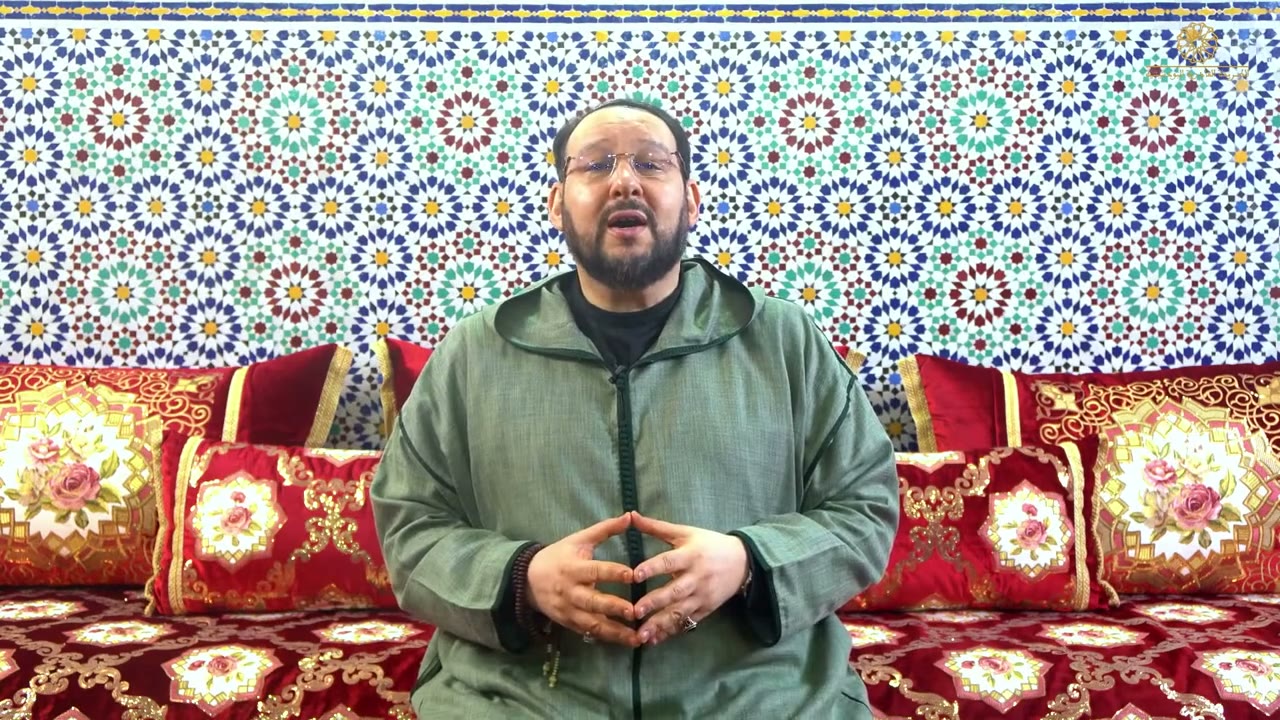
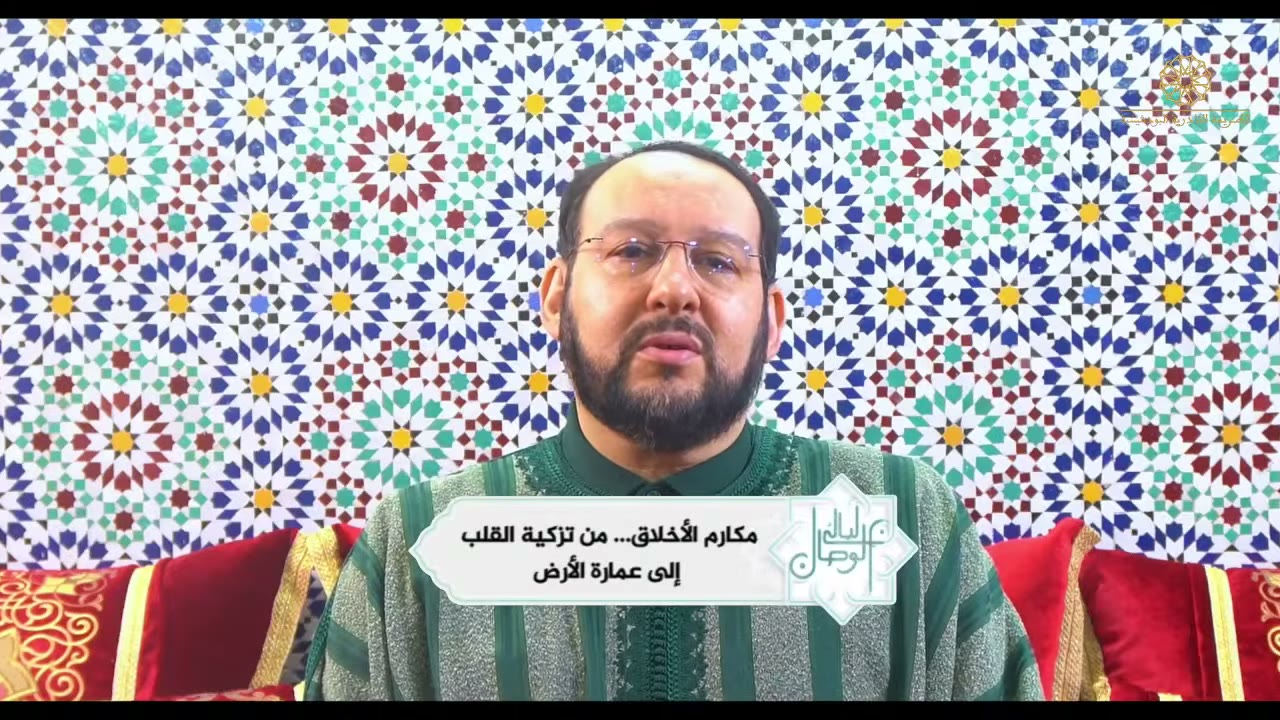
A teaching by Sidi Mounir al-Qadiri Boutchich, shaykh of the path, taken from episode 324 of the series Layali al-Wissal (‘The Nights of Union’), broadcast on 13 September 2026 on the channel of the Al Moultaqa Foundation. Delivered in Arabic; literal translation below, accompanying text written by the editorial team.
Extract of 7 min 4 s (00:43:24 to 00:50:28). Original full video: Layali al-Wissal, episode 324, Al Moultaqa Foundation channel.
Literal translation of the intervention (from Arabic)
Literal translation, word for word as far as English allows; the article below presents its meaning and structure.
“[The presenter] My lords and ladies, viewers, we now leave you with the word of our blessed shaykh, his excellency the doctor Moulay Mounir al-Qadiri Boutchich, who always graces us with pearls of wisdom. He has entitled, may God be pleased with him, his word: ‘La ilaha illa Allah, the word of tawhid and the liberation of the heart’. To our shaykh, the scholar who practises what he knows, the towering mountain, the floor, with our thanks.”
“[Sidi Mounir] In the name of God, the Merciful, the Compassionate. Praise be to God who made the hearts of the knowers resplendent with the light of tawhid, and who made La ilaha illa Allah the key of salvation and the greatest of remembrances. Prayer and peace upon our master Muhammad, the envoy of tawhid and of mercy, upon his family, his companions and whoever follows his way until the Day of Recompense.
Then: my lords and ladies, O people of union, as we are in the last days of the month of Rabi’ al-Awwal, the month of the joy of the birth of our master the Messenger of God, peace be upon him, the mercy bestowed, let us recall the message he brought: the sincerity of servanthood towards God the One, the Solitary, and the liberation of the heart from all attachment to other than Him.
For La ilaha illa Allah is not a word that the tongue alone pronounces: it is light on the tongue but heavy in the balance; it is a reality which, when it takes up residence in the heart, changes man’s view of himself, of the lower world and of the means. It begins with ‘there is no’: negation of everything that disputes tawhid in the heart; then ‘deity except God’: affirmation of attachment to Him, glorified, alone.
But tawhid does not mean that we abandon the means: we take them without leaning on them, we act through them without entrusting ourselves to them, we employ ourselves in them without making them masters of our hearts. For fire burns only by the permission of God, the remedy heals only by the permission of God, and money procures happiness only by His permission, He the glorified and most high.
And according to the word of Junayd, may God have mercy on him, as Imam al-Qushayri reports it of him in the Risala Qushayriyya: ‘Sufism: being with God without relation.’ Sufism: being with God without relation. And such is the essence of purification: that your hand be among the means and your heart with the Causer of causes. God the glorified and most high says: ‘My success comes only from God.’
When the servant knows his indigence towards his Master, the edge of the self is broken, and he knows that the blessing comes from God: ‘Every blessing that is in you comes from God’; success comes from God, strength comes from God, guidance comes from God. And among what most veils the lights of tawhid is that a thing of the lower world should take in the heart the place of the light of God; that is why He says, glorified and most high: ‘Say: if your fathers, your sons, your brothers, your wives, your clan, the goods you have acquired, a commerce whose decline you fear and dwellings that please you are dearer to you than God and His Messenger…’ What is asked is not to leave family, money or work: it is not to veil ourselves from God by them, and to prefer nothing to His command and His pleasure.
O beloved ones, when La ilaha illa Allah takes up residence in the heart, its effects appear on the limbs: truthfulness in the tongue, faithfulness in the hand, chastity in the eye, mercy in the heart, humility with creatures and beneficence towards them. And there we understand that dhikr is not a separation from life: it is what sets life straight. The heart attached to God, the hand working on earth, the soul fighting its passions, and creatures profiting from the servants through their pious works; creatures profiting from the servants through their pious works.
Such is the Muhammadan education and the essence of the Sufi path: the station of ihsan; a tawhid that engenders purification, a purification that carries ihsan, and an ihsan that turns into service to man, to society and to the homeland.
And on the anniversary of the birth of the master of creatures, the Elect, upon him the purest prayer and peace, the greatest fidelity consists in making La ilaha illa Allah a method of life, and in letting our love of the noble Prophet, peace be upon him, turn into imitation of his truthfulness, his mercy, his character, his humility and his kindness.
O people of union, magnify this word in your hearts, multiply its utterance, realise its sense in your works and your character, and let your certitude in God be greater than your attachment to the means, and your hope in Him greater than your hope in what is found with people.
When the heart fills with La ilaha illa Allah, its lights do not remain in the heart alone: they appear on the limbs and in the treatment of creatures. The tongue is perfumed by them: it does not lie, does not slander people, does not backbite and does not harm; the hand is set straight by them: it does not oppress and does not betray. And truthfulness, faithfulness and ihsan become a fruit among the fruits of tawhid.
This appears also in work and in giving: the servant becomes of benefit to his country, to countries and to servants; he accomplishes his duty with truthfulness and sincerity, he serves his homeland seeking God’s pleasure, until a genuine patriotism is born in his heart, whose substance is responsibility, faithfulness and love of good for the people and the homeland, indeed for the whole of humanity.
O God, make firm in our hearts the light of La ilaha illa Allah, realise us in its truths, grant us the sincerity of ikhlas in it, and make of it a life for our hearts, a light for our minds and an uprightness for our works. O God, grant us the beauty of tawakkul in You, indigence towards You and trust in You, and put no attachment in our hearts that would veil us from You, O God, O Rahman, O Rahim.
O God, keep the Commander of the Faithful His Majesty King Mohammed VI, support him with Your victory, Your success and Your direction, clothe him in the garment of health and ease, gladden his eye with his heir His Royal Highness Prince Moulay El Hassan, make him grow, O God, a beautiful growth, and strengthen his back with his blessed brother His Royal Highness Prince Moulay Rachid, and keep all the members of the royal Alaouite sherifian family.
O God, keep our country Morocco, perpetuate upon it the grace of tranquillity, security, faith, unity and stability, guide its children towards what bears its good and its rectitude, and keep all the countries of the Muslims, O most Merciful of the merciful, O Lord of the worlds. O God, pray over our master Muhammad ibn ’Abdallah, who stands firm by the truth of God: no affair is straitened without God unbinding it; and over his family and all his companions. Praise be to God, Lord of the worlds.”
Some words we think we know simply because they are always on our lips. La ilaha illa Allah is one of those. Sidi Mounir al-Qadiri Boutchich, shaykh of the Tariqa Qadiriya Boutchichiya, devotes his entire Arabic intervention at the vigil Layali al-Wissal no. 324 to it: ‘the word of tawhid and the liberation of the heart’. Not a lesson on the profession of faith, but an exploration of what it does to the heart that carries it.
A word that is not merely a formula
The starting point is a warning. La ilaha illa Allah ‘is not a word that the tongue alone pronounces’. Light on the tongue, heavy in the balance: the formula is effective only if it designates a settled reality. And that reality has two movements, which the grammar of the sentence carries within it. First la ilaha: the negation, which refuses inner kingship over the heart to anything other than God. Then illa Allah: the affirmation, which fixes attachment to Him alone.
The consequence is radical: once installed, the word ‘changes man’s view of himself, of the lower world and of the means’. One no longer prays with the same eyes.
Taking the means without relying on them
The teaching at once destroys a misunderstanding: tawhid does not command leaving the world. ‘We take the means without leaning on them, we act through them without entrusting ourselves to them.’ Fire burns only by God’s permission; the remedy heals only by His permission; money gives happiness only by His permission.
It is here that Sidi Mounir cites the definition of Junayd of Baghdad reported by Imam al-Qushayri in his Risala: ‘Sufism: being with God without relation’, that is, without the heart depending on the interposed means. The formula condenses: ‘let your hand be among the means and your heart with the Causer of causes’. And the Qur’an gives the key in a word of Shu’ayb: ‘my success comes only from God’ (surah Hud, 11:88).
The heart that knows its poverty
When the servant ‘knows his indigence towards his Master’, the teaching says, ‘the edge of the self is broken’. Goods, strength, guidance: all comes from God, as the verse says: ‘Every blessing that is in you comes from God’ (surah an-Nahl, 16:53). And what most veils the lights of tawhid is that a thing of the lower world should ‘take in the heart the place of the light of God’.
Here enters the verse that Sidi Mounir recites: ‘Say: if your fathers, your sons, your brothers, your wives, your clan, the goods you have acquired, a commerce whose decline you fear and dwellings that please you are dearer to you than God and His Messenger…’ (surah at-Tawba, 9:24). And the precision that disarms any rigorist reading: ‘what is asked is not to leave family, money or work: it is not to veil ourselves from God by them, and to prefer nothing to His command and His pleasure’. We keep everything; we shift the attachment.
From the heart to the limbs: the fruits of tawhid
The third part of the teaching follows the effects. When the word takes up residence, ‘its effects appear on the limbs: truthfulness in the tongue, faithfulness in the hand, chastity in the eye, mercy in the heart, humility with creatures’. Dhikr is not a retreat out of life: ‘it is what sets life straight. The heart attached to God, the hand working on earth, the soul fighting its passions.’
What follows sums up the whole pedagogy of the path: ‘a tawhid that engenders purification, a purification that carries ihsan, and an ihsan that turns into service of man, of society and of the homeland’. The station of ihsan, worshipping God as if one saw Him, is not a contemplative end: it is the point where spirituality becomes service.
A fidelity that becomes a method of life
The occasion colours the discourse: the vigil is held ‘in the last days of the month of Rabi’ al-Awwal, the month of the joy of the Prophet’s birth’. The greatest fidelity to this Mawlid, Sidi Mounir teaches, consists in ‘making La ilaha illa Allah a method of life’, and in converting love of the Prophet into imitation: of his truthfulness, his mercy, his character, his humility, his beneficence.
The final exhortation is direct: ‘magnify this word in your hearts, multiply its saying, realise its sense in your works and your character’. When the heart fills with it, the tongue is perfumed: it no longer lies, slanders or backbites. The hand is set straight: it no longer oppresses or betrays. And in work and giving is born ‘a genuine patriotism whose substance is responsibility, faithfulness and love of good’, which does not stop at the homeland: ‘indeed for the whole of humanity’.
The intervention closes with a long invocation: that God make firm the light of the word in the hearts; for the Commander of the Faithful His Majesty King Mohammed VI, Crown Prince Moulay El Hassan, Prince Moulay Rachid and the royal family; for Morocco, its tranquillity, its unity, its stability; for all the countries of the Muslims. It was in the same vigil that Sidi Mounir taught in French the good word, a spiritual responsibility: the natural continuation, since the kalima that fills the heart is measured precisely by what comes out of the tongue. To go further, see the page on dhikr and frequently asked questions and the presentation of the Tariqa Qadiriya Boutchichiya.
Teaching by Sidi Mounir al-Qadiri Boutchich in Layali al-Wissal no. 324 (Al Moultaqa Foundation), in Arabic, covering 00:43:24 to 00:50:28. Article and literal translation written from the source MP4 file then whisper medium transcription; the citation of Junayd was verified in al-Qushayri’s Risala; references detailed in the working file.
Frequently asked questions
What does La ilaha illa Allah mean beyond the formula?
According to Sidi Mounir: the first part, 'la ilaha', is a negation that refuses the heart to everything that disputes God's inner kingship; the second, 'illa Allah', affirms attachment to Him alone. Once installed in the heart, the word changes one's view of oneself, of the world and of the means.
Does tawhid command renouncing the world?
No. The teaching says to 'take the means without relying on them': to work, found a family, serve one's country, without letting the heart's trust shift from God to the means.
Which definition of Sufism does Sidi Mounir cite?
That of Junayd of Baghdad, reported by Imam al-Qushayri in his Risala: 'Sufism: being with God without relation', that is, without dependence on the interposed means.
What effects does tawhid have on conduct?
Truthfulness of the tongue, faithfulness of the hand, chastity of the eye, mercy in the heart, humility with creatures: dhikr does not separate one from life, it sets life straight.