The prayer upon the Prophet (1): the Muhammadan Reality
Contents
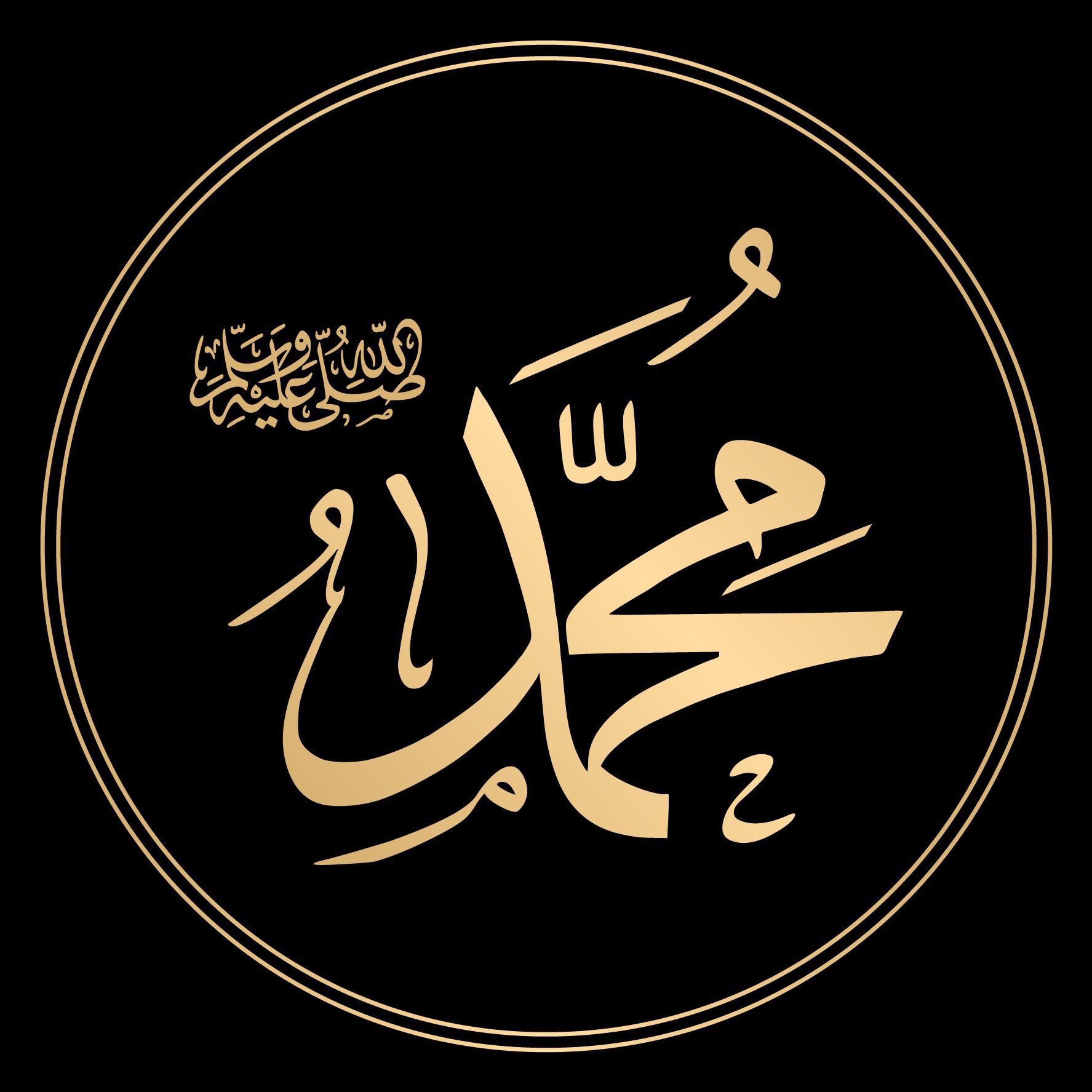
The prayer upon the Prophet is prescribed for every believer by the following verse: “God and His angels bless the Prophet: O you who believe, call down blessings upon him and offer him the salutation” (Qur’an XXXIII, 56).
It is practised, notably, during each ritual prayer, as well as in the individual and collective invocations on the Sufi paths.
The first created light
The Messenger of God teaches us that the first created light was that of the Prophet Muhammad, may God’s peace and blessings be upon him, as the following hadith, which describes the process of creation, makes clear:
Jabir ibn ’Abd Allah said: “O Messenger of God, by my mother and my father, tell me about the first thing created by God, before all things.”
The Prophet answered: “O Jabir, God (exalted be He) created, before all things, the light of your Prophet from His own light, then He made that light turn, through the Almightiness of God, wherever God willed. At that moment there was neither Tablet, nor Pen, nor Paradise, nor Hell, nor angel, nor heaven, nor earth, nor sun, nor moon, nor jinn, nor human.
When God willed to bring forth creation, He divided that light into four parts, then He created the Pen from the first part, the Tablet from the second part, and the Throne from the third part. Then He divided the fourth part into four parts: He created from the first part the Bearers of the Throne (the Archangels), from the second part the Pedestal, and from the third part the rest of the angels.
Then He divided the fourth part into four parts: He created from the first the heavens, from the second the earths, and from the third Paradise and Hell.
Then He divided the fourth part into four parts: He created from the first the light of the believers’ sight, from the second the light of their hearts, which is the knowledge of God (exalted be He), and from the third the light of their intimacy (uns), which is the science of unicity (tawhid): ‘There is no divinity but God, and Muhammad is His Messenger.’”
Ibn ’Ajiba also reports that, according to certain hadiths, “when God wished to reveal Himself in order to be known, He brought forth a handful of His light and said to it: ‘Be Muhammad’ (kuni Muhammada)”.
The Muhammadan Reality
Thus all universal existence proceeds from this “Muhammadan Reality”, intermediate between God the Most High and universal manifestation. In particular, the light of the believers’ sight and that of their hearts proceed from this same Muhammadan Reality, as this other hadith of the Messenger of God expressly affirms: “I come from the light of God, and the believers come from me.”
These considerations make it easier to understand the Qur’anic verse “Say: follow me if you love God” (III, 31), as well as “Those who obey the Prophet obey God” (IV, 80).
It appears, then, that Muhammad is at once our totality and our inner centre: he is at the same time the being closest to God and the indispensable mediator for reaching the Lord Most High. In this connection, the Sufi Abu Sa’id al-Kharraz relates that the Messenger of God told him in a dream: “He who loves God must have loved me.”
True enough, outwardly the Prophet is a human being, and in this sense he could say: “I am a human being like you” (ana basharun mithlukum). But inwardly he is the Universal Man, the full realisation of the human state, the prototype of all that has been created, the norm of every perfection, the mirror in which God contemplates universal existence.
The mediator and the Pole
This function of wasita (intermediation) is also one of the foundations of the practice of tawajjuh (orientation), the living shaykh being the representative of the Prophet at a given moment as well as the transmitter of this Muhammadan light.
It is this influx that the Pole receives and diffuses towards manifestation, towards the totality of creation, as illustrated by this passage from La sagesse des maîtres soufis, in which Ibn ‘Ata’ Allah relates a spiritual experience lived by Shaykh Abu-l-Hasan al-Shadhili:
The shaykh declared one day that, when the divine influx (madad) descended upon him, he saw it spread as far as the fish in the water and the bird in the sky. Shaykh Amin ad-Din Jibril then said to him: “You are the Pole! You are the Pole!” “I am the servant of God, I am the servant of God,” the shaykh replied.
The divine blessing upon the Prophet means the grace and mercy that the Most High sent down upon His Messenger in conferring upon him greatness and superiority over all that He created: “Had it not been for you, I would not have created the heavens” (hadith qudsi).
The Messenger of God is at once the manifestation of mercy and a mercy for the worlds, as the Qur’an attests: “We have sent you only as a mercy for the worlds” (XXI, 107).
As the Muhammadan Reality, the Prophet came at the beginning of the prophetic cycle, and it is to his inner aspect of Logos that the hadith refers: “He was a Prophet while Adam was still between water and clay.”
The Tradition reports that the Prophet one day asked Seydina Jibril: “From what source do you draw the verses of the Qur’an that you transmit to me?” Seydina Jibril answered him after a moment: “Minka ilayka”, that is, “From you to you”, “From you” referring to the Muhammadan Light.
God and His angels pray upon the Prophet
The first part of the verse instituting the prayer upon the Prophet, concerning the blessing of God and of the angels, means that God, who is the unmanifested Principle, together with His angels, who are the supra-formal manifestation, transmit vital graces to the Prophet, who symbolises universal manifestation, the Centre of it.
According to Shaykh Ahmad al-’Alawi, the divine act expressed by the word “salli” (bless) means that the Messenger’s finite self is continually reached and filled, so to speak, by the Infinite.
To pray upon the Prophet is, for the believer, to invoke God’s blessings upon Muhammad, the Messenger of Allah. This prayer is a general practice in Islam, since the Qur’an and the sunna prescribe it and the Tradition attaches many blessings to it.
The Messenger of God himself invites us to pray upon him, in these terms: “Ask God to spread His graces upon me; call upon Him to grant them to me, with ardent faith, and say: ‘O my God, spread Your blessings upon Muhammad and upon the family of Muhammad.’”
Conversely, another hadith states: “There are no divine graces for the one who does not call down heaven’s blessings upon His Prophet.” And another: “The miser is he who hears my name spoken and does not pray upon me.”
In the view of all Muslim scholars, and of Imam Malik in particular, calling God’s blessings upon the Prophet, even only once in one’s life, is a divine obligation for every Muslim, by virtue of the injunction contained in the Qur’an. Praying frequently upon the Prophet is a recommended sunna (mu’akkada).
Continued: the graces attached to the prayer and the salat ibrahimiyya.