The perseverance of the heart: istiqâma and the example of Salman al-Farisi
Contents
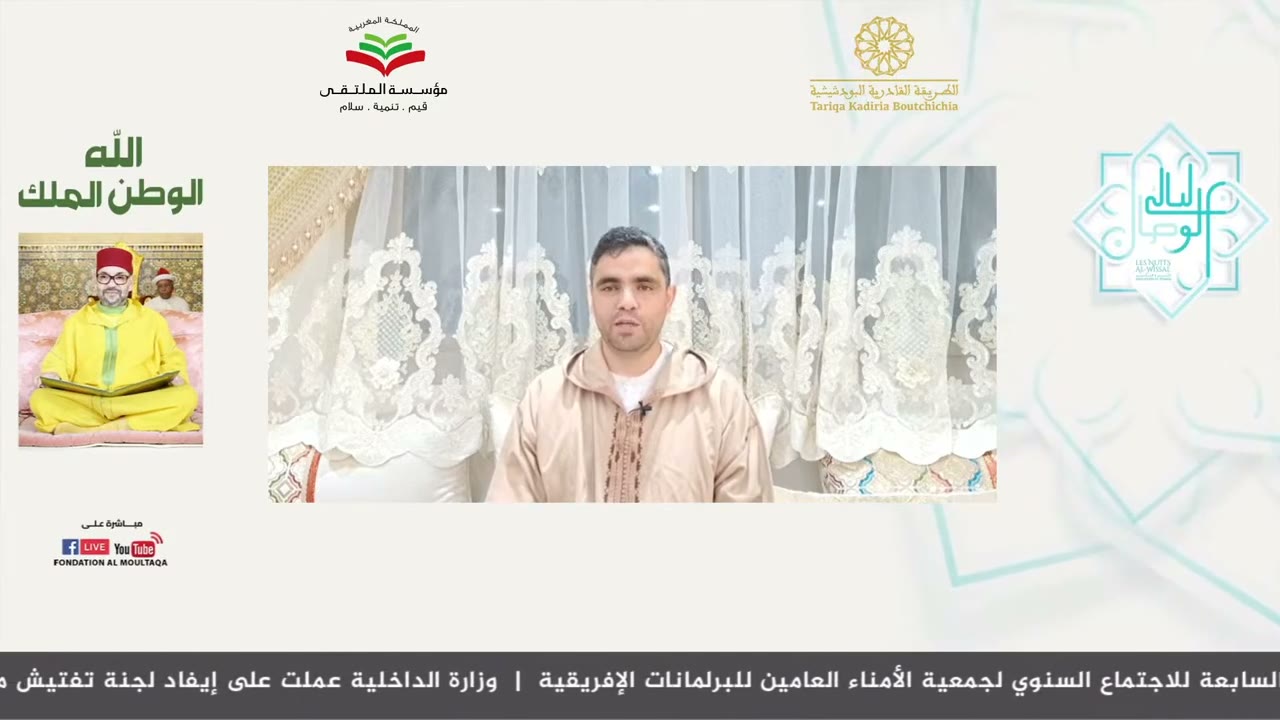
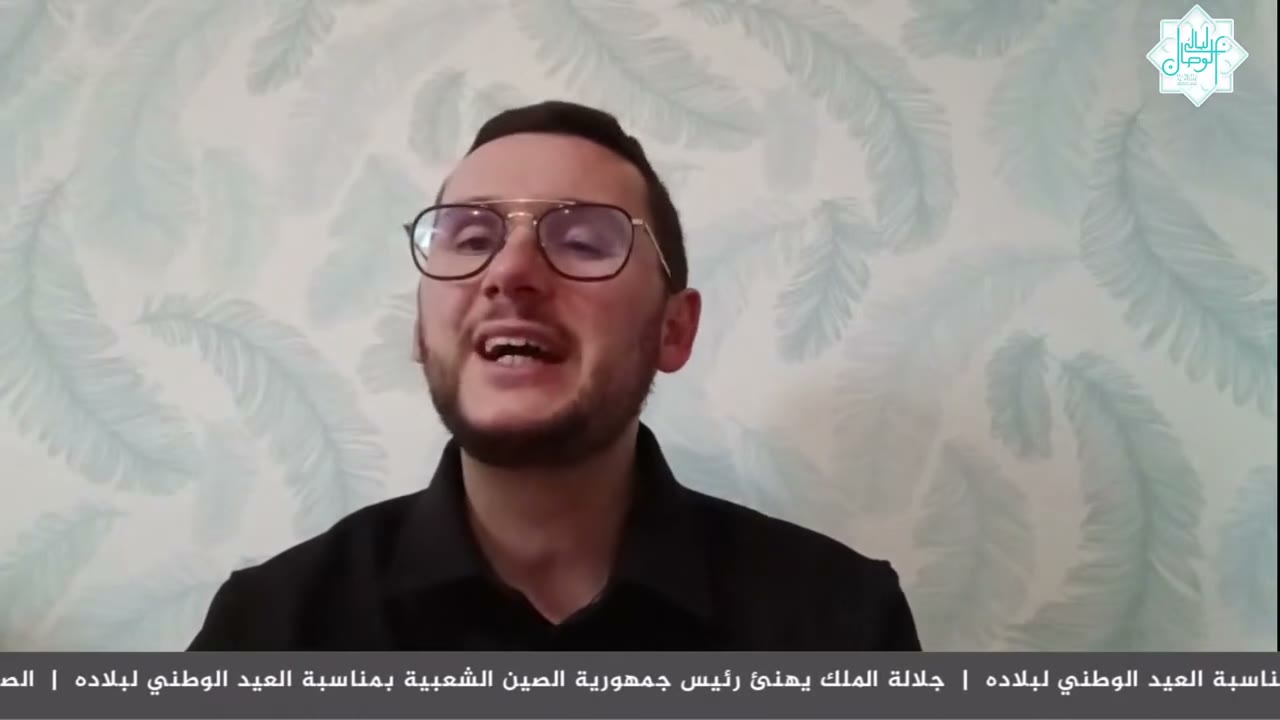
An intervention by Sidi Salman Ayyoubi, imam in France, taken from episode 324 of the series Layali al-Wissal (‘The Nights of Union’), broadcast on 13 September 2026 on the channel of the Al Moultaqa Foundation. Delivered in French; accompanying text written by the editorial team.
Extract of 5 min 37 s (01:03:48 to 01:09:25). Original full video: Layali al-Wissal, episode 324, Al Moultaqa Foundation channel.
Literal translation of the intervention (from French)
Since the intervention is delivered in French, here is its literal translation into English, from beginning to end. The article below presents its meaning and structure; this text follows the speech from the presenter’s introduction to the final thanks.
“[The presenter] …to warm our hearts and direct our hearts towards the Divine, we now have the pleasure of hearing an intervention in French by our brother Sidi Ayyoubi, imam in France, entitled ‘Istiqâma, or the art of standing upright: the example of Salman the Persian’.”
“[Sidi Salman Ayyoubi] Prayers and peace be upon the noblest of the prophets and messengers, our Prophet Muhammad, and upon his family and all his companions. Our eminent shaykh Dr Moulay Mounir al-Qadiri Boutchich, president of the Al Moultaqa Foundation, master of the Tariqa Qadiriya Boutchichiya, who honours us by his presence; my brothers and sisters, as-salamu ’alaykum wa rahmatullahi ta’ala wa barakatuh.
For this evening’s talk, we propose to approach the subject of istiqâma, this perseverance of the heart, through the remarkable journey of the famous Companion Salman al-Farisi, Salman the Persian. Originally he was called Ruzbih; he was the son of a powerful Zoroastrian chief in Fars, promised a life of opulence and privilege. But touched by the search for truth, he turns his back on his inheritance and flees his home. For years he crosses the Middle East, walking from town to town, placing himself in the service of Christian monks and religious men to study the Scriptures. Betrayed by merchants on his way, he is sold as a slave and finds himself in chains working in the palm groves of Medina. It is there that he finally crosses paths with the Prophet, peace and blessings be upon him: recognising in him the signs announced by his former masters, Salman embraces Islam, regains his freedom and becomes one of the most intimate Companions, to whom was granted the very favour of being counted among the People of the House.
This journey lasted decades, and what strikes one in his journey is not only its epic character and its extraordinary trials; it is above all that spiritual quality he displayed from one end of his path to the other. At each stage, Salman al-Farisi could have stopped, become discouraged or contented himself with a partial truth; but he bore within him an absolute loyalty to his inner calling. The Sufi teaching reminds us that istiqâma is not a path devoid of obstacles, but the stubborn resolve of a heart seeking its source, whatever the cost.
The question now before us is how to define, how to understand, this spiritual quality of istiqâma. The word itself comes from the Arabic root qâma, which means to stand upright. Istiqâma is fundamentally the art of standing upright on one’s path, the art of standing upright amid the storms of existence. The spiritual tradition has defined it through three major dimensions.
First, rectitude, the axis: perfect integrity, the alignment between what I think, what I say and what I do, all governed by right intention; not deviating from one’s principles when the wind turns. Second point, second foundation: constancy, rhythm. A great Sufi adage tells us that istiqâma is worth more than a thousand miracles, or even that istiqâma is the miracle itself. The Prophet, peace and blessings be upon him, teaches us that the works most beloved of God are the most regular, even if they are minimal. The spiritual path does not favour the euphoria of an instant but the constancy of a course: it is not a race of speed, it is a marathon, like the drop of water which, by falling regularly on the same spot, ends by piercing the hardest stone, the stone of our own ego.
And finally the third point: the middle way, suppleness. Istiqâma has nothing to do with brittle rigidity: it is the posture of the tightrope walker or of the reed, a suppleness that bends beneath the gust but always returns to its centre. In today’s world, where everything pushes towards dispersion and ephemeral commitments, istiqâma appears as a real liberation. In our personal lives it is fidelity to our values: listening, forgiveness, honesty, even when the world around us does not return them to us. In spiritual practice it is the small daily step: it is not quantity that transforms the heart, it is the continuity of presence. And in the face of current events, istiqâma consists in refusing to let bitterness or hatred take root in us; it is continuing to sow the good even when the context seems desperate. This reminds us of that prophetic saying of unheard-of depth, where he says: if the Last Hour rises while one of you holds a young palm shoot in his hand, let him plant it. That is pure perseverance: acting for the truth without worrying about the result.
In sum, Salman’s story reminds us that we are all travellers. His odyssey seemed geographical but was in reality interior. Istiqâma is what prevents us from being mere tourists of the spiritual journey and transforms us into residents of the Presence, into actors of the divine project. It means accepting that the road is long while knowing that every step taken with sincerity already contains within itself a share of the destination. Thank you for your attention.”
What is istiqâma? The presenter of the vigil introduces it as ‘the art of standing upright’, with Salman al-Farisi as its exemplar. Sidi Salman Ayyoubi, an imam based in France, holds up that Companion’s journey as the mirror: a quest for truth that crossed decades, religions and chains.
An odyssey that was inward first
The son of a powerful Zoroastrian chief, Salman was promised a life of opulence and privilege. But ‘touched by the search for truth’, he turns his back on his inheritance and flees. For years he crosses the Middle East, walking from town to town, placing himself in the service of Christian monks and religious men to study the Scriptures.
Betrayed by merchants on the road, he is sold as a slave and finds himself in chains in the palm groves of Medina. It is there that he crosses paths with the Prophet, peace be upon him: recognising in him the signs announced by his former masters, Salman embraces Islam, recovers his freedom and becomes one of the most intimate Companions, so much so that a tradition reported by al-Tabarani in his Mu’jam al-Kabir counts him among the People of the House (ahl al-bayt).
What strikes one in this journey, the speaker observes, is not only the epic character nor the succession of trials. At each stage Salman could have stopped, become discouraged, contented himself with a partial truth. He bore within him an absolute loyalty to his inner calling. The Sufi teaching, M. Ayyoubi explains, reminds us that istiqâma is not a path without obstacles: it is the stubborn resolve of a heart seeking its source, whatever the cost.
Standing upright: the root of the word
The word comes from the Arabic root qâma, to stand upright. Fundamentally, istiqâma is that art of standing upright on one’s path, upright amid the storms of existence. The Qur’an makes it a station: ‘Those who say: Our Lord is God, then remain upright: the angels descend upon them’ (surah Fussilat, 41:30), and the command given to the Prophet: ‘Remain on the straight path as you have been commanded’ (surah Hud, 11:112).
In the spiritual tradition, this uprightness unfolds in three dimensions.
First, rectitude: perfect integrity, the alignment between what I think, what I say and what I do, all governed by right intention. Not deviating from one’s principles when the wind turns.
Then constancy, rhythm. The Prophet, peace be upon him, teaches that ‘the works most beloved of God are the most regular, even if they are small’ (Sahih al-Bukhari no. 6465, Sahih Muslim no. 783). The spiritual path does not favour the euphoria of an instant but the constancy of a course: not a sprint but a marathon, like the drop of water which, falling regularly on the same spot, ends by piercing the hardest stone. The stone of our own ego.
Finally, the middle way, suppleness. Istiqâma has nothing to do with brittle rigidity: it is the posture of the tightrope walker, or that of the reed which bends beneath the gust but always returns to its centre.
Acting for the truth, without worrying about the result
In a world that pushes towards dispersion and ephemeral commitments, istiqâma appears as a real liberation. In personal life, it is fidelity to one’s values: listening, forgiveness, honesty, even when the world around us does not return them to us.
Spiritual practice lies in the small daily step. It is not quantity that transforms the heart; it is the continuity of presence. And in the face of current events, persevering means refusing to let bitterness or hatred take root in us, continuing to sow the good even when the context seems desperate.
The intervention concludes with a prophetic saying ‘of unheard-of depth’, reported in al-Bukhari’s al-Adab al-Mufrad (no. 479): if the Last Hour rises while one of you holds a young palm shoot in his hand, let him plant it. That is pure perseverance: acting for the truth without worrying about the result.
Residents of the Presence, not tourists
Salman’s story, in sum, reminds us that we are all travellers. His odyssey seemed geographical: it was in reality inward. Istiqâma is what prevents us from being mere tourists of the spiritual journey and transforms us into ‘residents of the Presence’, actors of the divine project.
Accepting that the road is long, while knowing that every step taken with sincerity already contains within itself a share of the destination: such is the prospect opened by this teaching, delivered in the same vigil of the Tariqa Qadiriya Boutchichiya where Sidi Mounir al-Qadiri Boutchich was in turn teaching the good word, a spiritual responsibility. To go further into the notions of path and journeying, see also the questions and answers on Sufism.
Intervention by Sidi Salman Ayyoubi in Layali al-Wissal no. 324 (Al Moultaqa Foundation), in French, covering 01:03:48 to 01:09:25. Article written from the source audio file then whisper transcription; quotations reported faithfully in sense, references verified in the working file. The speaker’s first name remains to be confirmed with the foundation: the announcement names him ‘Sidi Ayyoubi, imam in France’.
Frequently asked questions
What is istiqâma?
Istiqâma, from the Arabic root qâma 'to stand upright', is the art of remaining upright on the spiritual path. Sidi Salman Ayyoubi defines it through three dimensions: the uprightness that aligns thought, word and act; the constancy of rhythm; and the suppleness of the middle way.
Why is Salman al-Farisi a model of perseverance?
The son of a Zoroastrian chief, he left his home to seek the truth, served Christian monks for years, was sold into slavery at Medina, then recognised the Prophet by the signs announced by his masters. At every stage he could have stopped: his fidelity to his inner impulse never faltered.
Which hadith teaches the value of regularity?
Reported by 'A'isha in the Sahih of al-Bukhari (no. 6465) and the Sahih of Muslim (no. 783): 'The works most beloved of God are the most regular, even if they are small.'
Which Qur'anic verses ground istiqâma?
Verse 30 of surah Fussilat (41): 'Those who say: Our Lord is God and then remain upright', and verse 112 of surah Hud (11): 'Remain on the straight path as you have been commanded.'