Good character, the fruit of a purified heart
Contents
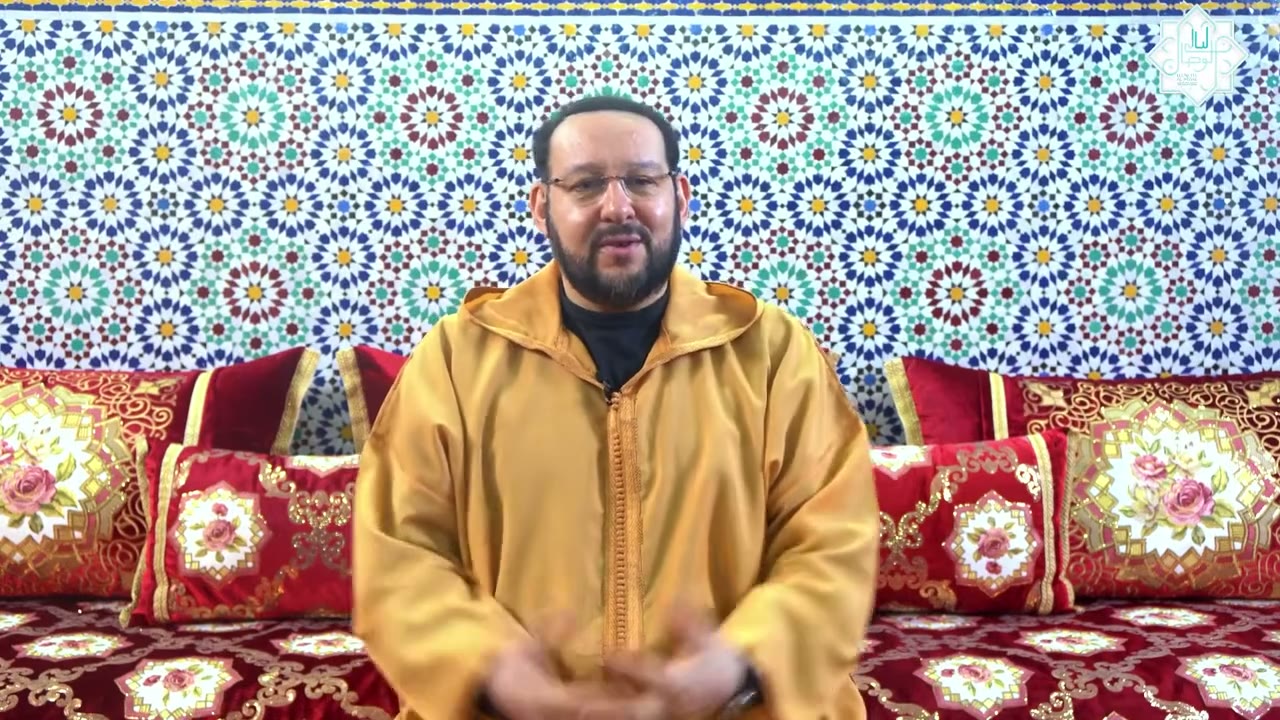
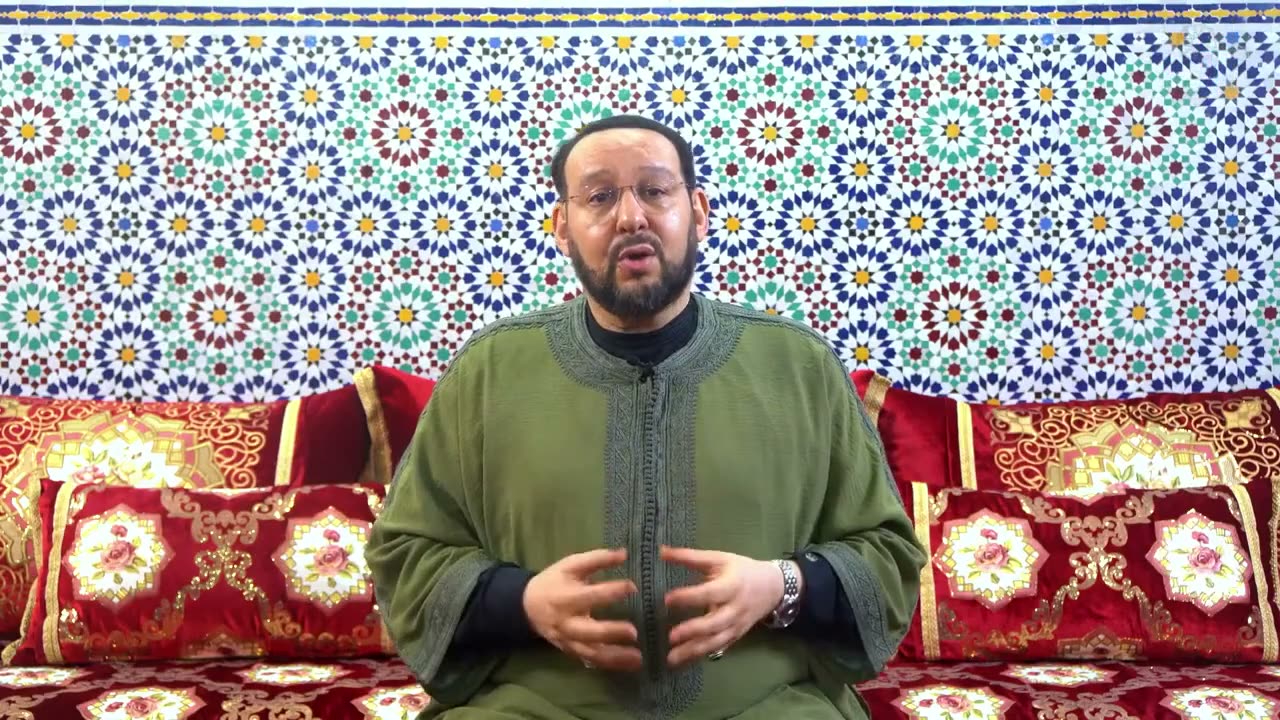
A teaching of Sidi Mounir al-Qadiri Boutchich, shaykh of the path, taken from episode 325 of the series Layali al-Wissal (‘The Nights of Union’), broadcast on 20 September 2026 on the channel of the Al Moultaqa Foundation. Delivered in Arabic; accompanying text written by the editorial team.
Extract of 7 min 55 s (00:32:35 to 00:40:30). Original full video: Layali al-Wissal, episode 325, Al Moultaqa Foundation channel.
Literal translation of the intervention (from Arabic)
Since the intervention is delivered in Arabic, here is its literal translation into English, from beginning to end. The article below presents its meaning and structure; this text follows the speech word for word, from the opening hamdala to the final greeting.
“ In the name of God, the Most Merciful, the Ever-Merciful.
Praise be to God who purified souls through noble character, who made the uprightness of hearts the foundation of the uprightness of works, and who made man a vicegerent on earth, charged with building it through goodness and excellence. May prayer and peace be upon our lord Muhammad, who said: ‘I was sent only to perfect noble character,’ and upon his family, his companions and those who are guided by his light until the Day of Judgement.
That said, ladies and gentlemen: among what man most needs, in his journey towards God as in his journey through life, is to join the uprightness of the inward and the uprightness of the outward: a heart that knows God, a soul that is purified, and a conduct that translates this into relations with people and into right works on earth.
God, glorified and exalted, says in His decisive Book: ‘O you people! We created you from a male and a female, and We made you into peoples and tribes so that you might know one another. The noblest of you in the sight of God is the most pious of you.’ The measure of nobility with God is neither a man’s appearance, nor his fortune, nor his rank: it is his piety, and what appears of it in his heart and in his works. And our lord Muhammad, master of creatures, said: ‘God looks neither at your appearances nor at your possessions, but He looks at your hearts and at your works.’
Beloved ones: character is not an ornament to be added to a man’s life; it is the fruit of faith when it settles in the heart and action confirms it. Spiritual education lets its fruit and its effect be seen in conduct and in character, in the manner of treating God’s servants. Imam Abu Hamid al-Ghazali said: ‘Works are the outcome of characters and of adab; they flow out of the knowledge and the secrets of hearts into the places where deeds germinate and from which they spring.’ When the heart is upright, the limbs grow upright; when a man is truthful with God, he is truthful with His creatures. That is why the people of education say: the uprightness of the heart is known by its trace; what takes hold in the inward must appear outwardly, in conduct, in character, in a fine manner of treatment.
Noble character is not only that a man be gentle in his words; it is that honesty, truthfulness, mercy, justice and excellence become a way in his life and in his relations with creatures: merciful where he is, trustworthy in his work, truthful in his dealings, careful in his responsibility, just in his disagreement, merciful in the power he holds over people. That is when character passes from the space of the individual to a force that builds society: that man be useful to people, as it came in the hadith: ‘The most beloved of people to God are the most useful to people.’ Honesty makes trust, truthfulness makes credibility, care makes quality, justice preserves rights, and the sense of responsibility makes a man fulfil his duty even when no one is watching.
Ladies and gentlemen: God created man to build the earth and to be active across its expanses, and to make knowledge and work, in every field of life, economic, cultural, social, political and others, a means of doing good to creatures and of mending life. Islam does not set knowledge against religion, nor progress against values: it calls for a knowledge that guides, a work that benefits, a progress that preserves man’s dignity. We say: when knowledge meets values, reason meets character, work meets responsibility, progress becomes building, knowledge becomes service, and capacity becomes a trust. The more man’s capacity expands, the more his conscience must expand with it; the more his knowledge grows, the more his responsibility for sincerity and truthfulness grows; the more he possesses a force capable of affecting people, the environment and society, the more he needs the balance of character and wisdom.
Beloved ones: we live in a world where many challenges stand before us: corruption and opportunism, noise and conflicts, social gaps, the violation of rights, pollution, the disruption of the environmental balance, the risks of digital space and of modern technology. The need for character is no longer a luxury: it has become a necessity to protect man and to protect the fabric of society. And spiritual education, in its human dimension, can be summed up thus: purification of the inward, repair of the outward, excellence in the treatment of creatures. Such is the meaning of Sufism and its aim: he who knows God does not accept to be a source of harm; he who purifies his soul does not put his own interest above the interest of people; he who feels the weight of the trust does not betray it.
O people of the Wissal: the love of one’s homeland is also character and responsibility. As it is related in the athar: ‘The love of homelands is part of faith.’ A homeland is not served by slogans alone, but by truthfulness in work, by care, by the safeguarding of the common good, by respect for the law, by giving good to people, and by attachment to the constants of the nation: religion and the command of the believers. Let each of us, where God has placed him, be a builder of his homeland: in his work, in his family, in his place, in his society. If man grows upright, his work grows upright; if the work grows upright, the institution grows upright; if institutions grow upright, society grows upright; and that is a brick in the building of the homeland and of man. Such is the wisdom we must carry together: the uprightness of the heart is accomplished only when its trace grows upright among creatures; when the secret grows beautiful, the work grows beautiful; and when man grows upright, he benefits those around him.
O people of the Wissal: let us see to it that our characters translate what is in our hearts, that our work be useful, a careful work, a sincere protection for people, and that our love of the homeland be responsibility and gift.
O God, purify our souls, make our hearts pure, make our characters beautiful, and make of us keys of good and locks of evil. O God, grant us a truthfulness that does not belie itself, an honesty that does not alter, a sincerity without mixture; make of our knowledge a utility, of our works an uprightness, of our life a service to Your servants and a building of the earth.
And we seal this gathering in the Sharifian Kingdom of Morocco, with truthfulness, honesty and responsibility: O God, protect the Commander of the Believers, His Majesty King Mohammed VI; support him with Your victory, Your assistance and Your guidance; gladden his eye through the crown prince, His Royal Highness Prince Moulay Hassan; strengthen him through his blessed brother, His Royal Highness Prince Moulay Rachid; and protect all the members of the royal Alaouite sherifian family. O God, protect our country Morocco; maintain upon it the grace of security, of faith and of stability; make each of its milestones, legislative, electoral, cultural and diplomatic, a success; guide its sons towards what makes for its good and its prosperity; make of them bricks of uprightness in the building of the straightening of this country at every level; make of us truthful and sincere people in the service of this dear and precious country; protect all Muslims and make of us workers of good and of the Muhammadi character, so that we may serve the values of coexistence, of concord, of peace, of security and of tranquillity. You are indeed capable of all things and worthy of answering. May peace be upon you, and the mercy of God and His blessings. “
‘Praise be to God who purified souls through noble character, who made the rectitude of hearts the foundation of the rectitude of works, and who appointed man His vicegerent on earth, charged with building it through goodness and ihsan.’ The hamdala of Sidi Mounir al-Qadiri Boutchich states from the outset the thesis of this second intervention of the vigil Layali al-Wissal 325, delivered in Arabic: fine character cannot be summoned by decree; it grows from a soil.
The greatest need, on the way to God as in life, is to join the rectitude of the inward and that of the outward: a heart that knows God, a soul being purified, and a conduct that translates all this into dealings with people and into right works on earth.
The measure is not appearance
First support, the verse of the Peoples: ‘O men! We created you from a male and a female, and We made you into nations and tribes so that you might know one another. The noblest of you, in the sight of Allah, is the most pious’ (49:13). The scale of nobility, he comments, is neither form, nor fortune, nor rank: it is taqwa and what it imprints upon the heart and upon the work.
The hadith of Muslim (no. 2564) states it plainly: ‘God looks neither at your forms nor at your possessions, but He looks at your hearts and your works.’
Ethics is not an ornament
The heart of the teaching: character is not a decoration added to a man’s life but the fruit of what has settled in the heart and which action verifies. Spiritual formation has its harvest; so has worship: their trace appears in conduct and in character among people.
Sidi Mounir then quotes Imam Abu Hamid al-Ghazali: works are the outcome of characters and of adab; they seep out of the knowledge and the secrets of hearts towards the sources of deeds. ‘If the heart is upright, the limbs grow upright; if the soul is pure, the work is pure; and whoever is truthful with God is truthful with people.’ That is why the people of formation say: the rectitude of the heart is known by its trace: what dwells in the inward must appear in behaviour, character, a fine manner of treatment.
A method of life, not a politeness
Fine character does not lie in the gentleness of speech. It becomes a method of life when amana, truthfulness, mercy, justice and ihsan govern dealings: merciful at home, trustworthy at work, truthful in relations, conscientious in responsibility, just in disagreement, merciful in the power one exercises over people.
There, ethics leaves the space of theory to become a force that builds society. Sidi Mounir quotes the hadith reported by al-Tabarani: ‘The most beloved of people to God are the most useful to people.’ Then he lays out the mechanics: amana produces trust, truthfulness credibility, mastery quality, justice preserves rights, and the sense of responsibility makes a man fulfil his duty even when no one is watching.
Building the earth
Man is created to build the earth (’imarat al-ard) and to make knowledge and work, in every field (economic, cultural, social, political), a means of being useful to creatures and of reforming life. Islam sets neither knowledge against religion nor progress against values: it calls for a knowledge that guides, an action that profits, a progress that preserves man’s dignity.
Then the formula unfolds in rhythm: when knowledge meets values, intelligence meets character, work meets responsibility, progress becomes ’umran, knowledge service, capacity amana. And the symmetry turns at once into a warning: the more man’s power extends, the more his conscience must extend; the more his knowledge grows, the more his duty of sincerity and truthfulness grows; the more he disposes of a force acting upon people, the environment, society, the more he needs the balance of ethics and wisdom.
Our time supplies the reasons: corruption, opportunism, noise and conflicts, social inequalities, violations of rights, pollution and the disruption of living things, the risks of digital space. The demand for ethics is no longer a luxury, he says: it is a protection of man and of the future of society. And then he names the thing: ‘Such is the meaning of Sufism, and its aim’: he who knows God does not accept to be a source of harm; he who has purified his soul does not put his interest above that of people; he who feels the amana does not betray it.
The love of one’s homeland is also a character
The last application, an unexpected one: ‘the love of one’s homeland is also a character and a responsibility, as it is related in the athar: the love of homelands is part of faith.’ A homeland is not served by slogans: it is served by truthfulness at work, by mastery of one’s duty, by the protection of the common good, by respect for the law, by good done to people, by attachment to the national and religious constants and to the imarat al-mu’minin, the command of the believers borne by the king.
Then the gearing: if man is set right, his work is set right; if the work is set right, the institution is set right; if institutions are set right, society is set right, and one becomes a brick in the building of the homeland and of the human. The rectitude of the heart is completed only by being set right down to its trace among creatures.
The closing prayer
The teaching ends in invocation: that God purify souls, whiten hearts, make characters beautiful, make of the listeners ‘keys of good and locks of evil’, grant a truthfulness that does not change, a trustworthiness that does not waver, a sincerity without mixture, a useful knowledge, an upright work, a life at the service of His servants and of the building of the earth.
Then follows, as is customary in these vigils, the protocol prayer for the Kingdom of Morocco: for King Mohammed VI, amir al-mu’minin, for the crown prince Moulay Hassan, for Prince Moulay Rachid and the Alaouite royal family, for the security, the stability and the milestones of the country, before the final greeting upon ‘the people of union’.
Teaching of Sidi Mounir al-Qadiri Boutchich in Layali al-Wissal no. 325 (Al Moultaqa Foundation), intervention in Arabic covering 32:35 to 40:30. Article written from the transcript; quotations reported faithfully in meaning, references verified in the working file.
Frequently asked questions
What are the makarim al-akhlaq?
The noble traits of character: truthfulness, trustworthiness, mercy, justice, excellence. For Sidi Mounir al-Qadiri Boutchich they are not an ornament added to life but the fruit of what has settled in the heart, tested by action.
What is the link between purifying the heart and good conduct?
Right conduct is the visible translation of a right heart. If the heart is set straight, the limbs straighten; if the soul is pure, the work is pure; whoever is truthful with God is truthful with people. Inward rectitude is recognised by its outward trace.
How does ethics build society?
Through the trust that amana produces, the credibility that truthfulness produces, the quality that mastery produces. A hadith reported by al-Tabarani says: 'The most beloved of people to God are the most useful to people.'
Is this intervention of Sidi Mounir's in French?
No, it is delivered in Arabic, in the vigil Layali al-Wissal no. 325 of the Al Moultaqa Foundation. The presenter gave a summary of it in French afterwards.