Virtuous companionship, a path to God
Contents
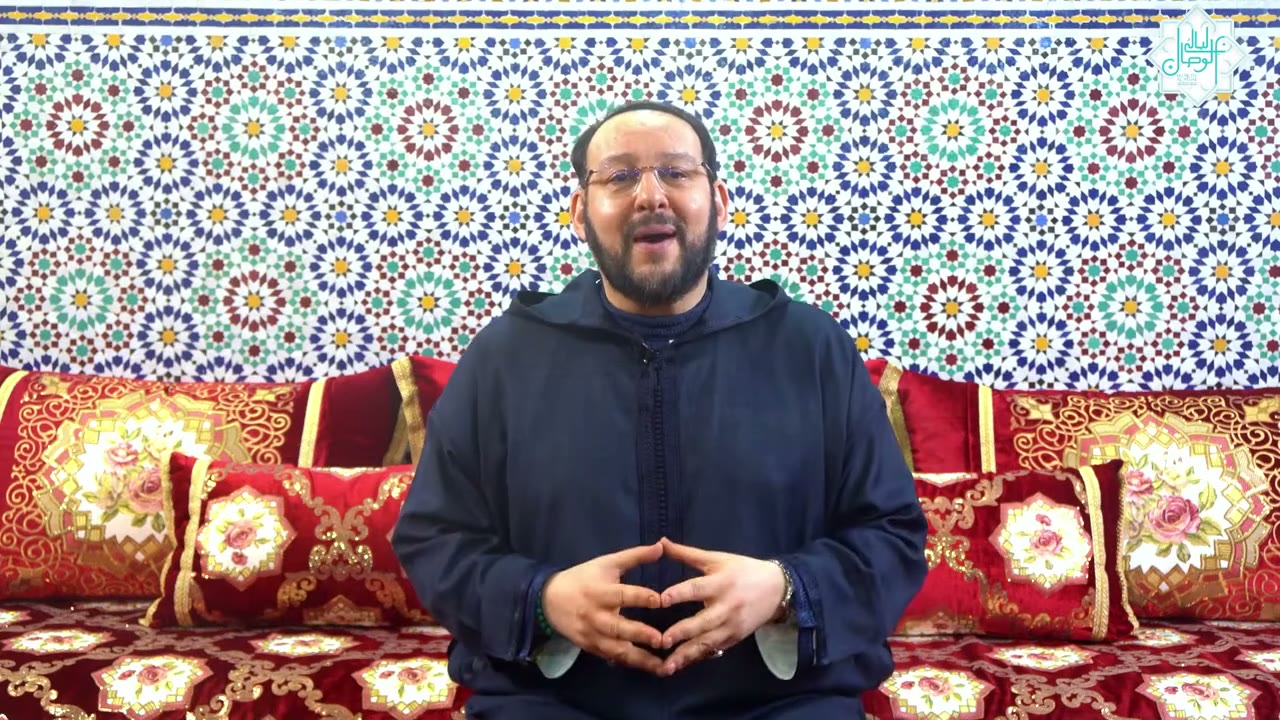
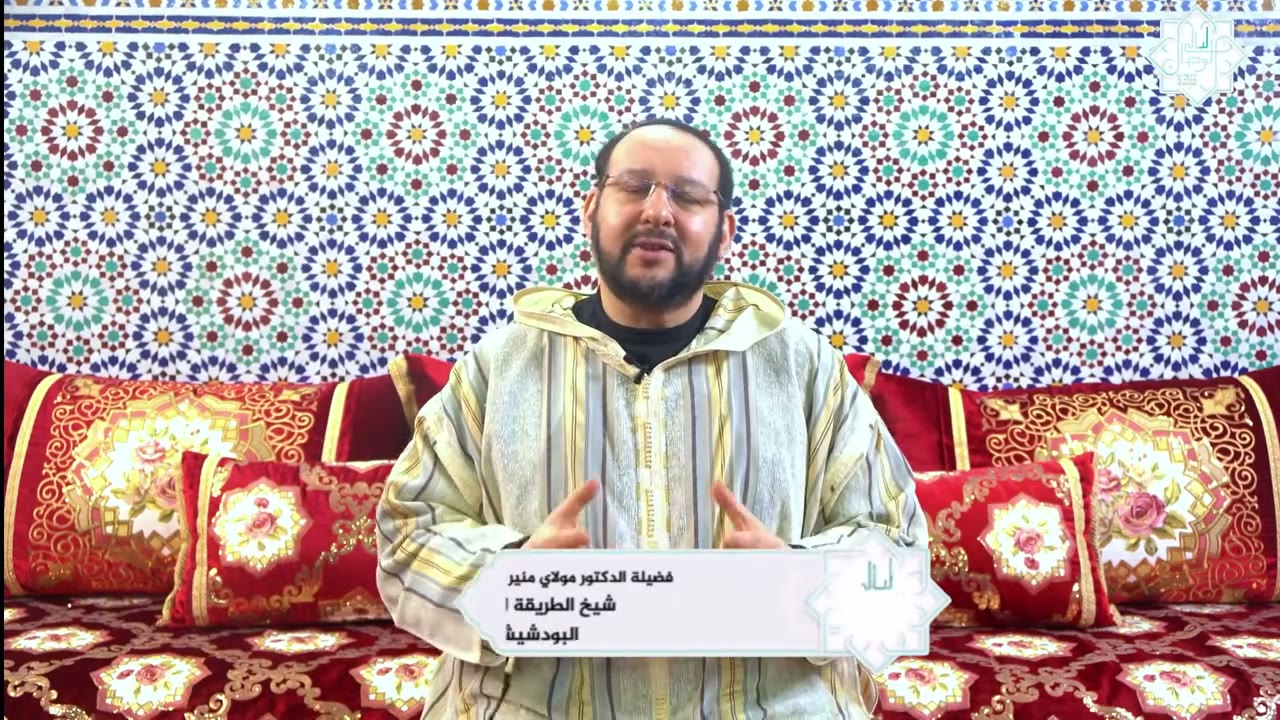
A teaching of Sidi Mounir al-Qadiri Boutchich, shaykh of the path, delivered in French and broadcast in episode 330 of the series Layali al-Wissal (‘The Nights of Union’), on 25 October 2026 on the channel of the Al Moultaqa Foundation. Announced by the host under the title ‘Virtuous companionship, a path to God’.
Extract of 7 min 18 s (01:46:37 to 01:53:55). Original full video: Layali al-Wissal, episode 330, Al Moultaqa Foundation channel.
A grace one speaks of little
Among the graces God grants the wayfarer, says the speaker, there is one that is rarely spoken of, although it accompanies every step on the path: spiritual friendship. Greek philosophy, he recalls, already distinguishes several forms of friendship: those founded on utility, those founded on pleasure, those founded on virtue. The first two are fragile, for they disappear with the interest that gave them birth; only the third endures, because there one loves the other for his own sake and does not seek one’s own advantage. Spiritual friendship belongs to that high degree, but it goes further still: it unites not only two persons, it unites two souls turned toward one and the same goal, God.
This is why it withstands where other friendships break. Sometimes a clumsy word or a misunderstanding is enough to undo years of ordinary friendship. Friendship in God, for its part, survives trials, because it does not rest on what the other brings us, but on Him toward whom we walk together.
The Prophet, peace and blessings be upon him, placed it very high: in the hadith of the seven whom God shelters in His shade on a day when there is no shade but His own, there figure two men who loved each other for God’s sake, met for His sake and parted for His sake (Sahih al-Bukhari 660, Sahih Muslim 1031). The Qur’an nevertheless warns: on the day of judgement, a man will cry out ‘Woe to me! Would that I had not taken such a one for a close friend’ (surah al-Furqan, The Criterion, 25:28), and the Most High says that friends will that day be enemies to one another, except the righteous (surah az-Zukhruf, 43:67). Only friendships knotted for God remain; all the others come undone at the moment one would need them most.
The choice of one’s companions is therefore no detail. ‘A man follows the religion of his close friend,’ says the Prophet; ‘let each of you then look to whom he takes as a friend.’ The saying of the Hikam formulates it in its own way: take not as companion one whose state does not lift you up and whose word does not guide you toward God.
The master and the brothers
In Sufi spiritual education, this friendship takes two faces. The first is that of the master. The Qur’an gives the model in the meeting of Moses with the servant of God, to whom a knowledge had been given by God. Moses, himself a prophet, said to him humbly: ‘May I follow you, so that you might teach me of the right conduct you have been taught?’ (surah al-Kahf, The Cave, 18:66). The servant of God tells him he will need patience. The company of the master indeed requires patience and trust: what one does not understand at the moment often becomes clear later. Seeking the company of one who knows God is a legitimate and ancient approach; such is the meaning of suhba. One learns there less through discourses than through the presence, the example and the state of the one one accompanies.
The second face is that of the brothers and sisters of the path, in the circles of invocation and the gatherings for the sake of God’s face. In shared service a brotherhood is woven that supports each one: when one falters, the other lifts him up; when one strays, the other calls him back gently. This brotherhood has a demand the Prophet formulated: none of you is truly a believer until he loves for his brother what he loves for himself (Sahih al-Bukhari 13, Sahih Muslim 45).
The spiritual friend, the speaker continues, loves without expecting return; he rejoices in the other’s progress as in his own; he forgives, he is patient, and he answers evil with good, as God invites us: ‘Repel evil by that which is better,’ says the Qur’an, ‘and behold, he with whom you had enmity becomes like a close friend’ (surah Fussilat, Explained in Detail, 41:34).
The closing prayer
The teaching closes on its deep meaning: friendship in spiritual education is a companionship that draws us nearer to God, a brotherhood that makes us better, a bond that seeks nothing for itself save the face of God. It is followed by the final invocation: may the Almighty grant good companions and make of our meetings moments of light, may He gather us here below and in the hereafter among those who loved one another in Him with no other interest than His eternal face; may He spread His mercy over the kingdom of Morocco and its people, and grant long life, health and guidance to His Majesty King Mohammed VI, Commander of the Faithful; may His peace, His mercy and His light be upon each of us.
‘May Allah spread peace upon the earth, upon our world,’ the speaker says again, ‘and preserve us from conflicts, wars and discourses of hatred, and make of us, in the eyes of the world, ambassadors of the values of Islam: peace, love, living together and respect for others.’
This virtuous companionship extends, in the same vigil, Sidi Mounir’s Arabic teaching on sincere love: hearts’ remembrance there becomes the work of limbs, and the brotherhood of the path is its communal form. To go further on the figure of the shaykh, Sidi Mounir al-Qadiri Boutchich is the guide of the Tariqa Qadiriya Boutchichiya; the teaching ‘The humility that makes the other better’, delivered at the previous vigil, takes up the same demand of relation to the other.
Frequently asked questions
What is spiritual friendship according to this teaching?
A friendship that goes beyond the Greek model of utility, pleasure and virtue: it unites two souls turned toward one and the same goal, God, and survives trials because it does not rest on what the other brings us, but on Him toward whom we walk together.
Why is the choice of one's companions capital?
The Prophet said: 'A man follows the religion of his close friend; let each of you then look to whom he takes as a friend' (reported by al-Tirmidhi and Abu Dawud). The Qur'an warns that on the day of judgement, friends will be enemies to one another, except the righteous (surah az-Zukhruf, 43:67).
What are the two faces of friendship in spiritual education?
The company of the master (suhba), of which Moses and the servant of God give the model: it requires patience and trust, and one learns there through presence more than through discourses; and the brotherhood of the brothers and sisters of the path in the circles of invocation, where shared service weaves a brotherhood that lifts up the one who falters.
What does spiritual brotherhood ask concretely?
To love for one's brother what one loves for oneself (Sahih al-Bukhari 13, Sahih Muslim 45), to rejoice in the other's progress as in one's own, to forgive, to be patient, and to repel evil with good: 'he with whom you had enmity becomes like a close friend' (surah Fussilat, 41:34).