The prophetic legacy in the making of man and civilisation
Contents
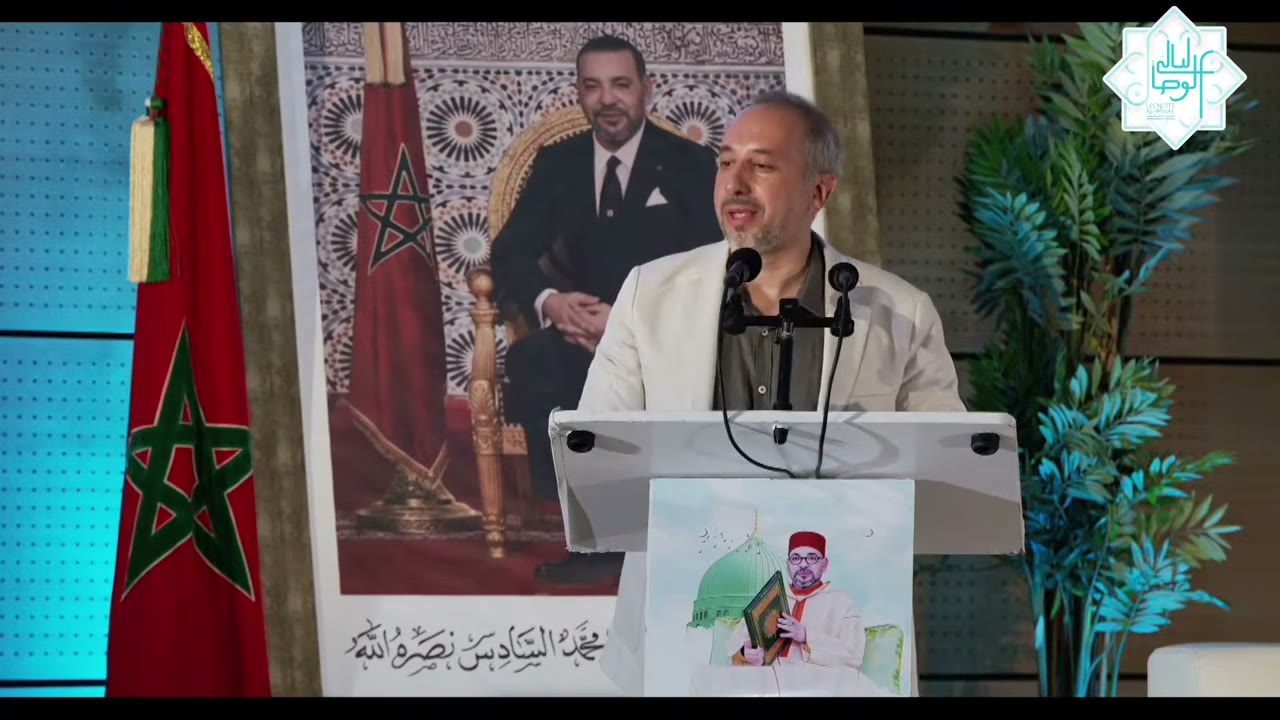
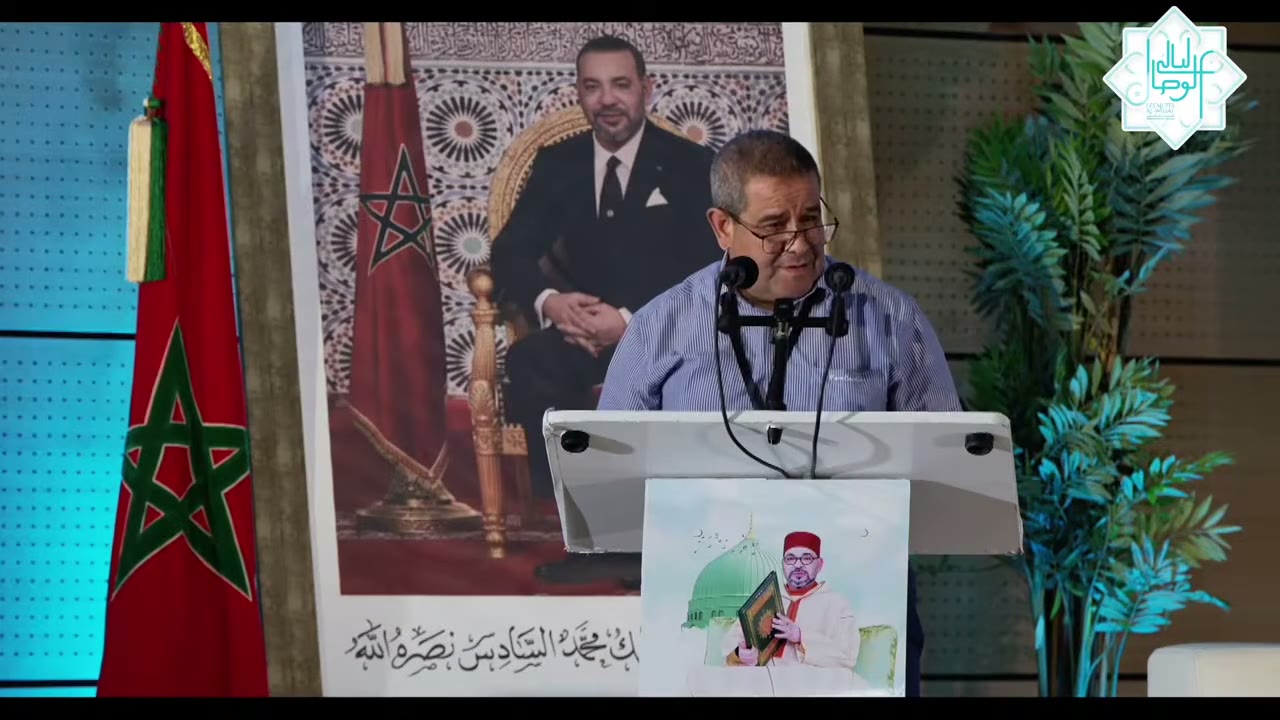
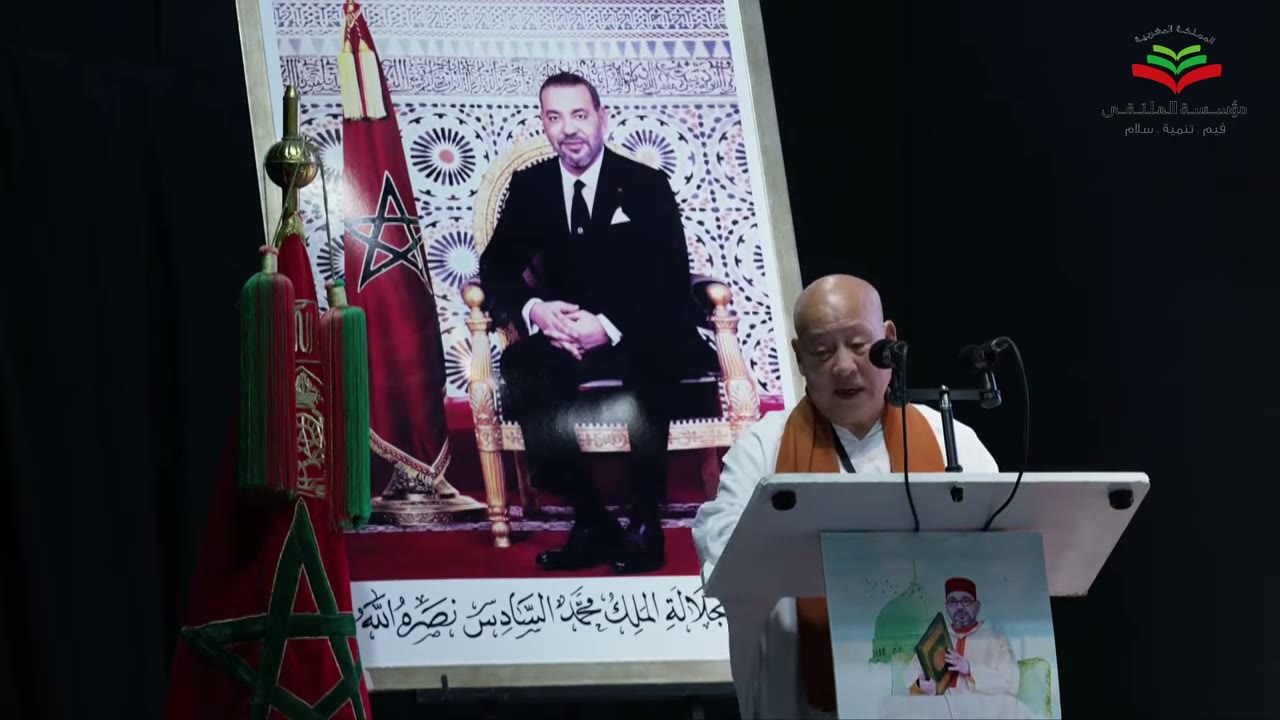
A talk by Dr Ibrahim Ouled Meji, khalifa of the Burhaniyya-Tijaniyya zawiya, taken from episode 329 of the series Layali al-Wissal (‘The Nights of Union’), broadcast on 18 October 2026 on the channel of the Al Moultaqa Foundation. Delivered in Arabic; a literal translation follows below, with accompanying text written by the editorial team.
Extract of 8 min 16 s (00:23:29 to 00:31:45). Original full video: Layali al-Wissal, episode 329, Al Moultaqa Foundation channel.
Literal translation of the talk (from the Arabic)
A literal, word-for-word translation as far as English allows; the article below presents its meaning and structure.
“[Dr Ibrahim Ouled Meji] Prophethood is, in its essence, concerned with the making of man and civilisation: He deposited it in existence among the lights of the Muhammadan Truth, a legacy that is renewed as times are renewed; and He chose among His servants heirs who carry the light of this legacy to every place.
[Poem] And may He illuminate his path with an illumination, and may He deposit in it the influence of the example of his father, peace and blessings be upon him: ‘There is for you, in the Messenger of God, a fine example, for whoever hopes in God and the Last Day, and who invokes God much.’ Prayer and blessings upon our lord and master Mohammed, the Envoy, mercy for the worlds; upon his pure and blessed family, his illustrious companions, and those who will follow them in excellence until the day when God inherits the earth and all that is upon it, He the best of inheritors.
[Dr Ibrahim Ouled Meji] Honoured lord Dr Moulay Mounir al-Qadiri, director of this blessed Gathering, may God keep and protect him; assembly of learned lords, illustrious shaykhs, eminent professors, researchers, guests and honoured hosts; organisers of this Gathering and its supporters: my respectful salutations. May the peace, the mercy of God and His blessings be upon you.
It is a pleasure, on this sweet occasion (we are in the days of the Prophet’s birth), to offer you all, my lords, my most sincere wishes and finest congratulations, asking God that He make of this noble commemoration a remembrance of mercy and blessing, and a renewal of the covenant with the Messenger of God, peace and blessings be upon him; that He grant us sincerity of love for him, the fine imitation of his conduct and constancy upon his sunna, and that we realise his legacy by conforming to his lofty morals and his adab; for to conform to his morals and his adab is to realise his legacy, peace and blessings be upon him.
The birth of the Prophet, peace and blessings be upon him, is not a mere historical memory whose events are replayed: it is an occasion on which we recall the meaning of prophethood in our lives, on which we make present the effect of the Muhammadan legacy in the making of man, the reform of society, the adornment of the earth and the realisation of the good life. Al-’Abbas said well of him, peace and blessings be upon him: ‘And when you were born, the earth was illumined and the horizon brightened with Your light: we are in this radiance, and in this light of right guidance we burn.’
Let us return to the subject: the prophetic legacy in the making of man and civilisation, from guidance to the realisation of the good life. I shall treat this subject in ten points, dwelling on each according to what it requires in exposition and detail. First point: the prophetic legacy, a legacy of guidance and purification.
My lords, if we wish to understand the prophetic legacy in depth, we must grasp that the Prophet, peace and blessings be upon him, did not come only to change the outward appearances of life: he came, before that, to build man from within. Man is the starting point of all reform; when man is set right, what surrounds him is set right, and when souls are corrupted, whatever the material possibilities, civilisation becomes an instrument of corruption. This is why God, blessed be He, joined in His verse recitation, purification and teaching: ‘It is He who sent among the unlettered a messenger from among themselves, reciting to them His verses and purifying them and teaching them the Book and wisdom.’ Ponder this admirable order: recitation, then purification, then teaching. This is the making of man in the prophetic method. Knowledge alone does not suffice if purification does not attract it; worship alone does not suffice if it does not produce morals; and learning is of no use if it is not transformed into wisdom, into responsibility and into excellence. Hence Sunni Sufism is in its essence the natural extension of this great meaning: purification of the heart, setting right of intention, education of the soul and realisation of the stations of excellence. God says: ‘Successful indeed is he who purifies it; and lost indeed is he who corrupts it.’ The reform of civilisation therefore begins with the purification of man; when man is purified, all that surrounds him is set right.
This is why our shaykh, the bearer of grace (Shaykh Ibrahim, may God be pleased with him), when a service was rendered to him, detested being thanked: according to the custom of the Arabs, who say ‘no thanks are due for a duty’, our shaykh would say: ‘No, on the contrary: there are thanks only for a duty.’ Why? Because, he said, when each one does his duty, society is set right.
Second point: morals, the heart of the Muhammadan legacy. The Messenger of God, peace and blessings be upon him, made morals the heart of his message: ‘I was sent only to perfect noble character.’ Morals in Islam are not an outward ornament: they are the fruit of faith and the sign of sincere conduct. This is why the Messenger of God, peace and blessings be upon him, was the greatest human model of mercy, gentleness, forgiveness, generosity and brotherhood.”
The Layali al-Wissal 329 gathering opens, as it does every year around the commemoration of the Prophet’s birth, with greetings for the Mawlid: ‘the Prophet is not a historical memory whose events are replayed’, the speaker says in his opening, ‘it is an occasion on which we recall the meaning of prophethood in our lives’. The theme of the evening is announced at once: the prophetic legacy in the making of man and civilisation, from guidance to the realisation of the good life.
It is Dr Ibrahim Ouled Meji, khalifa of the Burhaniyya-Tijaniyya zawiya, who carries this intervention, in two parts: a Mawlid address, then a talk which he organises into ten points. The retained extract covers its beginning: the first two points, which already lay down the whole framework.
Man first: the prophetic making begins within
First point: the prophetic legacy is a legacy of guidance and purification. The starting point of the talk is clear: the Prophet, may God’s peace and blessings be upon him, did not come to change the outward appearances of life. He came to build man from within, because man is the starting point of all reform. When man is set right, what surrounds him is set right; when souls are corrupted, material means, however great, turn against society and become an instrument of corruption.
To support this primacy, the speaker cites the verse that sums up the whole prophetic method, surah As-Saff, The Ranks (62:2): ‘It is He who sent among the unlettered a messenger from among themselves, reciting to them His verses and purifying them and teaching them the Book and wisdom.’ The order is admirable, he notes: recitation, then purification, then teaching. This is no haphazard list: it is the making of man in the prophetic method.
Three insufficiencies: neither learning nor worship suffices alone
The speaker goes on to spell out the consequences of this order. Knowledge alone does not suffice if purification does not attract it; worship alone does not suffice if it does not produce morals; and learning is of no use if it is not transformed into wisdom, into responsibility and into excellence. This is where the talk explicitly links Sufism: tasawwuf, he says, is in its essence the natural extension of this great meaning, namely the purification of the heart, the setting right of intention, the education of the soul and the realisation of the stations of ihsan, excellence.
The Qur’anic proof follows: surah Ash-Shams, The Sun (91:9-10), ‘Successful indeed is he who purifies it; and lost indeed is he who corrupts it.’ The reform of civilisation, the speaker concludes, begins with the purification of man; when man is purified, all that surrounds him is set right.
‘There are thanks only for a duty’
A living example illustrates this demand for duty well done. A shaykh of the tradition, Shaykh Ibrahim, whom the speaker calls ‘the bearer of grace’, turned the saying on its head: an Arabic proverb has it that ‘no thanks are due for a duty’, to which he replied ‘no, on the contrary: there are thanks only for a duty’. His reason: when each one does his duty, society is set right. The anecdote sums up the thesis of this point in a single sentence: the prophetic legacy is not celebrated in discourse, it is verified in the fulfilment of what each one owes.
Morals, the heart of the Muhammadan legacy
The second point then follows: the Messenger of God made morals the heart of his message. The speaker cites the hadith reported by Ahmad in his Musnad (no. 8952): ‘I was sent only to perfect noble character’. The variant ‘fine character’ (makarim al-akhlaq) appears in al-Bayhaqi. Morals in Islam are therefore not an outward ornament: they are the fruit of faith and the sign of sincere conduct. This is why the Messenger of God, peace and blessings be upon him, was the greatest human model of mercy, gentleness, forgiveness, generosity and brotherhood.
The extract stops there, just as this point begins to unfold: the complete talk, in ten points, runs longer than the segment the evening carried. But the first two points suffice to lay down the architecture: the prophetic legacy is not transmitted like a patrimony to be preserved, it is verified in the making of man (purification of the heart first, morals next), and it is on this making that the reform of society and the good life depend.
This way of reading prophethood is not peculiar to an isolated talk: it structures the teaching of the Tariqa Qadiriya Boutchichiya, whose Sidi Mounir al-Qadiri Boutchich, shaykh of the path, presides over the Layali al-Wissal cycle. To pursue spiritual wayfaring, one may listen to another teaching of the series, ‘Honour and Constancy’, or attend a dhikr session; the frequently asked questions also help formulate the first steps.
Frequently asked questions
What is the prophetic legacy according to this talk?
A twofold legacy: guidance and the purification of the soul on the one hand, morals on the other. The Prophet did not come to change the outward appearances of life but to build man from within, because man is the starting point of all reform.
Which verse sums up the Prophet’s way of forming man?
Verse 2 of surah As-Saff (The Ranks, surah 62): ‘It is He who sent among the unlettered a messenger from among themselves, reciting to them His verses and purifying them and teaching them the Book and wisdom.’ The talk reads three ordered moments in it: recitation, purification, teaching.
What does the hadith say about the sending of the Prophet?
Reported by Ahmad in his Musnad (no. 8952): ‘I was sent only to perfect noble character’ (salih al-akhlaq; the variant ‘fine character’, makarim al-akhlaq, appears in al-Bayhaqi).
Where does the reform of civilisation begin, according to this talk?
With the purification of man. Verse 9 of surah Ash-Shams (The Sun, surah 91) sets him who purifies his soul against him who corrupts it: when souls are corrupted, material means become an instrument of corruption.
Frequently asked questions
What is the prophetic legacy according to this talk?
A twofold legacy: guidance and the purification of the soul on the one hand, morals on the other. The Prophet did not come to change the outward appearances of life but to build man from within, because man is the starting point of all reform.
Which verse sums up the Prophet's way of forming man?
Verse 2 of surah As-Saff (The Ranks, surah 62): 'It is He who sent among the unlettered a messenger from among themselves, reciting to them His verses and purifying them and teaching them the Book and wisdom.' The talk reads three ordered moments in it: recitation, purification, teaching.
What does the hadith say about the sending of the Prophet?
Reported by Ahmad in his Musnad (no. 8952): 'I was sent only to perfect noble character' (salih al-akhlaq; the variant 'fine character', makarim al-akhlaq, appears in al-Bayhaqi).
Where does the reform of civilisation begin, according to this talk?
With the purification of man. Verse 9 of surah Ash-Shams (The Sun, surah 91) sets him who purifies his soul against him who corrupts it: when souls are corrupted, material means become an instrument of corruption.