Le soufisme en Europe, by Francesco Piraino: a review
Contents
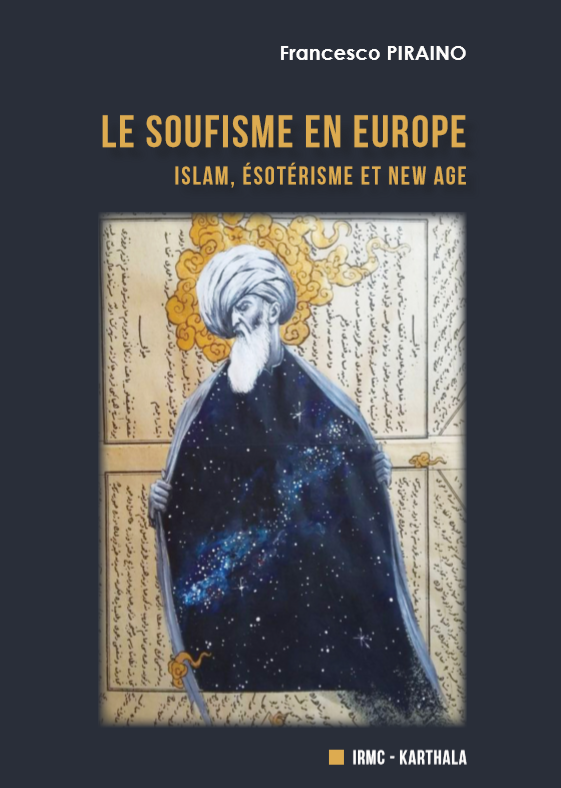
Le soufisme en Europe : islam, ésotérisme et New Age (éd. Karthala, May 2023), by Francesco Piraino.
This book describes the development of Sufism in Western Europe, in particular in France and Italy, through an extended empirical study based on participant observation in four Sufi brotherhoods in Paris and Milan: the ’Alawiyya (shaykh Khaled Bentounès), the Boutchichiyya (shaykh Hamza), the Naqshbandiyya Haqqaniyya (shaykh Nazim al-Qubrusi) and the Ahmadiyya Idrisiyya Shadhiliyya (shaykh ’Abd al-Wahid Pallavicini).
A fieldwork enquiry
As the author explains, ‘these enquiries took place over a period of six to eight months (in 2013 and 2014) for each brotherhood. This immersion involved taking part in the weekly prayer gatherings, the religious festivals and the spiritual retreats, in not strictly religious events such as conferences and meetings, and finally in pilgrimages with French and Italian disciples to these brotherhoods’ countries of origin, in Morocco, Algeria, Cyprus and Turkey’.
‘I chose between 8 and 12 disciples to collect life stories. The sampling was designed to represent the participants’ heterogeneity as faithfully as possible.’
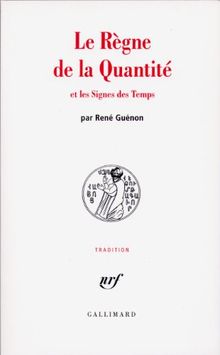
The work comprises eight chapters. The first two develop the general framework of Sufism as mystical knowledge and as discursive tradition. The third describes the pioneers of Sufism in Europe, who contributed to building and imagining the Sufism of today: the author thus stresses the great influence of René Guénon, but he also mentions other figures with widely differing profiles, from great professors such as Louis Massignon, Henry Corbin and Eva de Vitray-Meyerovitch, to more disputed personalities such as Gurdjieff or Idries Shah.
The four brotherhoods
Chapters 4 to 7 are each devoted to a brotherhood.
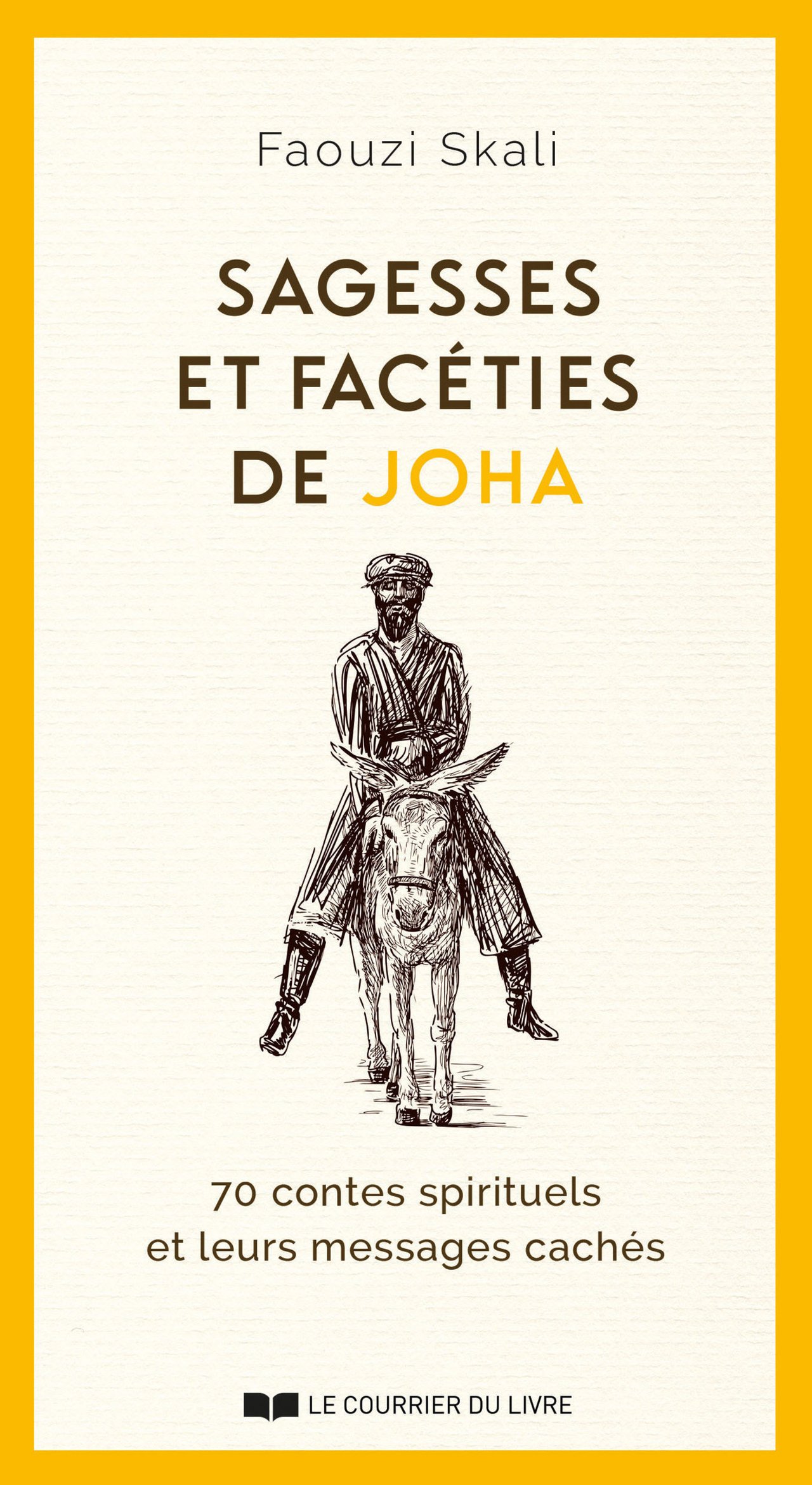
The Qadiriyya Boutchichiyya way. The author describes the charismatic figure of shaykh Sidi Hamza, the organisation of the way in Morocco and in Europe, and the way’s specific features: the great importance of individual and collective invocation, respect for the five pillars of Islam, the stress laid on excellence of conduct and civic commitment. He also sketches the portraits of some of the better-known disciples, such as the writer Faouzi Skali.
The ’alawiyya way. The author deals with the history of the way and the importance of the shaykh al-’Alawi. He draws a portrait of shaykh Khaled Bentounès and presents the organisation of the way, notably in France, insisting on its particularities: the importance of rituals and of the spiritual retreat, a universal and at times iconoclastic side, the stress laid on parity, engagement in social and civic action, human rights and interreligious dialogue. The question of Islam’s adaptation to modern society, and the questions this raises, are also touched upon.
The Naqshbandiyya way. The history of the way and of shaykh Nazim is likewise presented. The author duly notes the charisma of the way’s current representatives (khulafa’), of whom he sketches a sometimes colourful portrait: Philippe de Vos, Khaldoun, Hafiz, shaykh Burhanuddin Herrmann, shaykh Hassan Dyck. This is the occasion to explain certain aspects of the way’s doctrine that appear contradictory at first sight: universalism, a doctrine at times pliable between New Age and anti-modernist conservatism, the importance of eschatology.
The Ahmadiyya way. The author insists on the influence of shaykh ’Abd al-Wahid Pallavicini and of his son (Yahya), as well as that of Bruno Guiderdoni, khalifa for France. He analyses the determining influence of René Guénon’s work and the great importance accorded to metaphysical doctrines and to the notion of a spiritual elite. He finally deciphers this way’s influence through cultural associations such as the AIS (in France) or the COREIS (in Italy).
Francesco Piraino obtained his doctorate in sociology in 2015 at the Scuola Normale Superiore in Florence and at the École des hautes études en sciences sociales in Paris. He is a postdoctoral researcher and director of the Centre for the Comparative Study of Civilisations and Spiritualities at the Cini Foundation in Venice.