
Abu Bakr al-Shibli (861-946), the fool of God of Baghdad
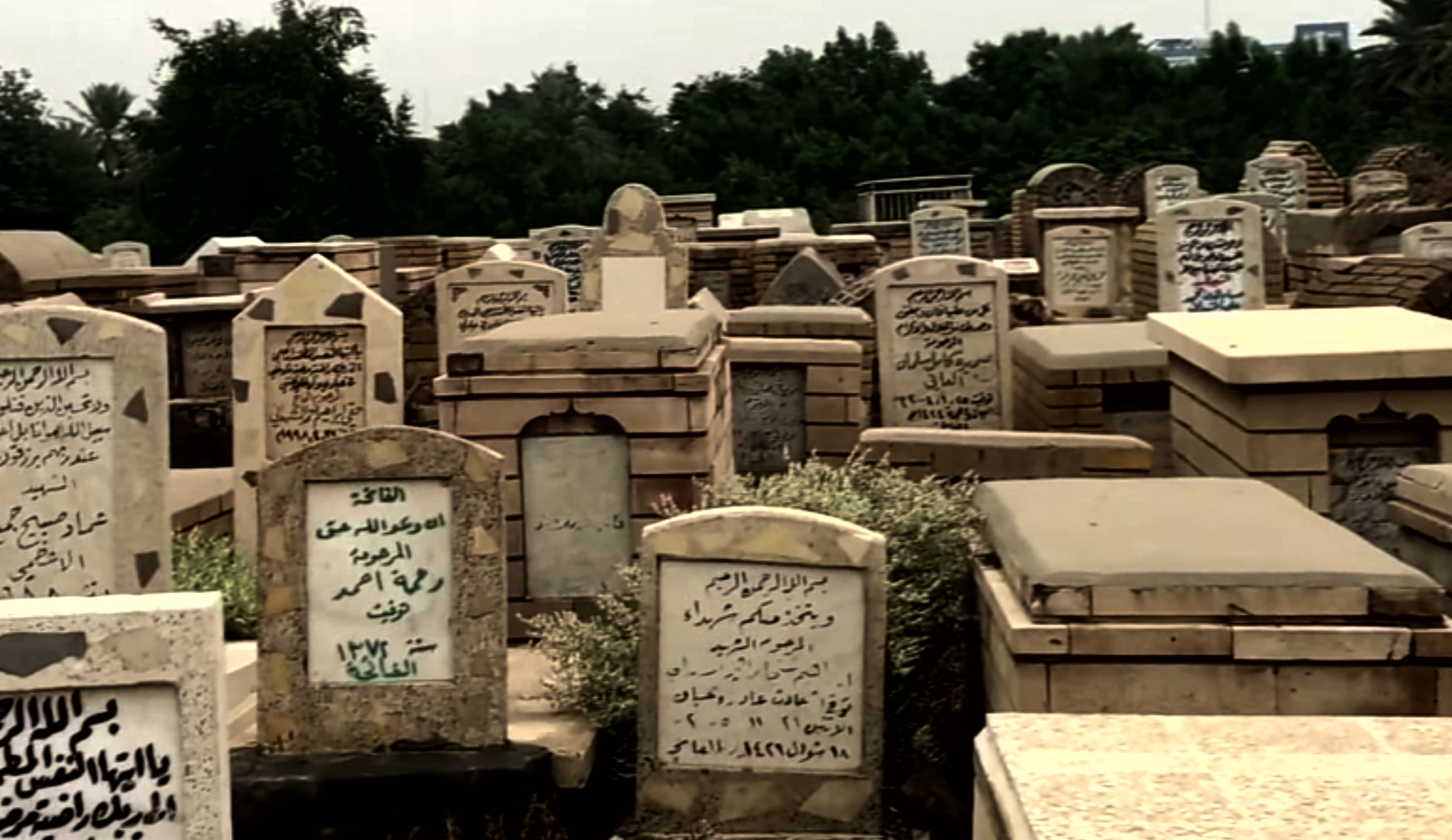
Abu Bakr Dulaf ibn Jahdar al-Shibli (861-946) was born in Samarra into a family of Iranian origin come from Ushrushana. A high official of the Abbasid state, he abandoned his career at about forty to become the disciple of al-Junayd, whose sober school he followed, while remaining attached to Maliki fiqh.
The madness that preaches
His destiny holds in a tension: formed in the school of sobriety, he became the figure of the states that overflow. The narratives show him rubbing his eyes with salt so as not to sleep, passing through episodes of exaltation that had him confined to the asylum. There, the tradition says, he went on teaching all the same: visitors came from across the Muslim world to hear the fool of God in his cell. He was also, according to the accounts, one of the witnesses who condemned al-Hallaj on the scaffold for divulging the secret.
He left no work: his aphorisms, his famous red beard, his verses and his silences were carried on by those around him, then set down in al-Hujwiri’s Kashf al-mahjub and the later collections. The monograph Kenneth Avery devoted to him in 2017 shows a celebrated saint who remains almost unknown: everything we have of him comes from other people’s memory.
The link of the silsilas
He died in Baghdad in 946 and was buried at Shuniziyya. His spiritual succession passed through ’Abd al-’Aziz al-Tamimi, the Yemeni master he designated as his successor (khalifa) to continue the chain.
His place in the chain
The ninth link of the silsila, between al-Junayd and ’Abd al-’Aziz al-Tamimi, he stands in the path for the fire of a love that cannot be possessed.
Further reading
Image: the Shuniziyya cemetery (Sheikh Ma’ruf) at Karkh, Baghdad, where al-Shibli rests; photograph by Yusuf Asar Yathar, CC BY 4.0 licence, via Wikimedia Commons.